The time has come to talk about chickens and what they can eat.
A chicken is a wonderful animal. She will eat many of your kitchen scraps and spent plants and weeds, while producing not only eggs, but also nutritious manure for the garden, feathers, and hours of silly entertainment. A chicken can also be a faithful friend. One thing a chicken is not is a garbage can.
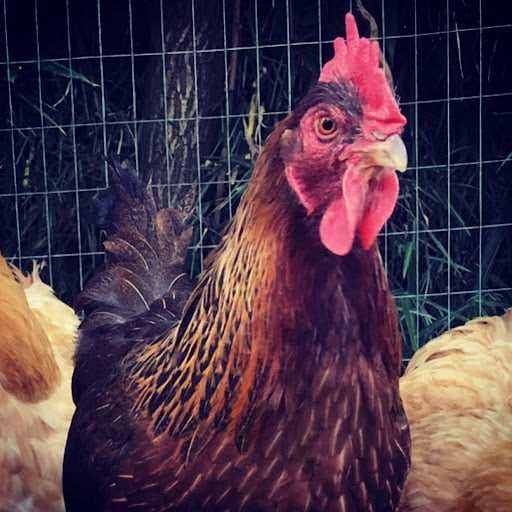
Primrose says, “I’m not a garbage can!”
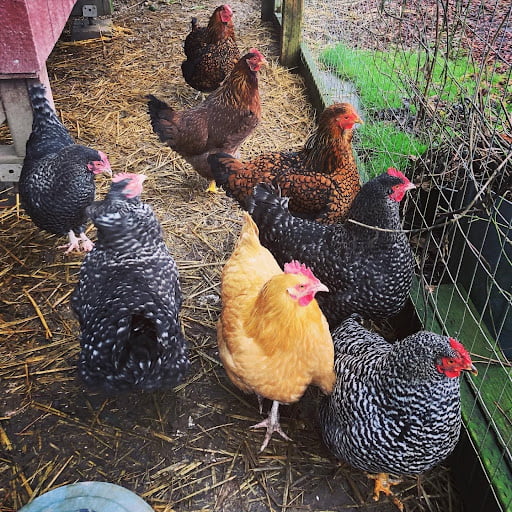
These girls have to live behind protective fencing.
I’ve kept chickens for ten years, and at the moment I have eight hens.
The most I’ve ever had was fourteen, and that included one rooster who was named Lulubelle, because we got him as a baby and thought he would be a hen. Unfortunately, we can’t free range them, as we have a lot of predators, including bobcats, coyotes, an occasional cougar, and the hawks who perch on top of the posts around the henyard and look longingly at the fat fowl within. We had to install netting over the whole henyard, so the hawks can’t swoop in and grab the hens.
Keeping the hens penned up doesn’t replicate nature’s model, which one would aspire to in a permaculture design, and the hens don’t get the same proportions and choices of food that they’d otherwise find, so I try to offer them as many things from the yard as I can. The more variety the better.
But are there plants that are toxic to chickens, or things that just aren’t very good for them? Definitely.
The most important thing to know is what not to give them. Besides poisonous weeds and poisonous parts of edible plants, there is mold. Mold is a big no-no. It can kill a chicken! When separating kitchen scraps between the compost bucket and the bowl of chicken treats, you should toss anything that has even a hint of mold on it into the compost. And even if mold weren’t so toxic to chickens, why should they eat food that is so old that it is moldy or just plain disgusting? Perhaps there are molds that aren’t so poisonous to chickens, but I don’t trust myself to identify the various types of mold out there. It’s best to avoid giving them any mold at all. Toss that questionable bread into the compost!
A few other scraps to avoid giving your hens are avocado skins, raw potato skins, and too many banana peels. These things are tough and can cause impaction of the crop. I don’t give my hens meat, not because they can’t eat it, but mainly because we don’t eat a lot of it, and any meat scraps that we do have go to the outside cats. I don’t give them citrus peels, either, because they don’t seem to like them. They also don’t like onion skins, so I freeze those for making future veggie broths. I don’t give them waxy cheese rinds or very salty foods.
There are some people who give their chickens used coffee grounds, but I can’t imagine that’s very good for them. Who wants an over-caffeinated chicken? I throw my spent coffee grounds in the garden beds or in the compost. On occasion I walk into a cafe and ask for coffee grounds, returning home with two five-gallon buckets full! Starbucks saves their used coffee grounds for gardeners. But back to the uncaffeinated chicken…
They love most kitchen scraps! Some favorites of my hens are leftover oatmeal with raisins, bread, corn, rice, cooked pumpkin and squash bits, crackers, tortillas, cookies and cake, quinoa, teff, millet, rye, boiled veggies, salad, arugula, bits of sauerkraut, fruit peelings (don’t give them apple or pear cores), spent fruit from winemaking (in moderation – you don’t want them to get drunk!), noodles, jam (from someone’s plate), scrambled egg, the solids from an herbal tea infusion, kale, chard, other greens, parsley, carrot greens, peppers, tomato peelings and bits from canning, pulpy (but not moldy) strawberries, over-the-hill grapes (watch out for moldy ones and discard those), and yogurt. I also give them extra scobies (chopped up into small pieces) from the process of making kombucha. This provides them with a little probiotic.

Spock has her own chicken tractor because the others bullied her. She makes new flower beds and controls grass.
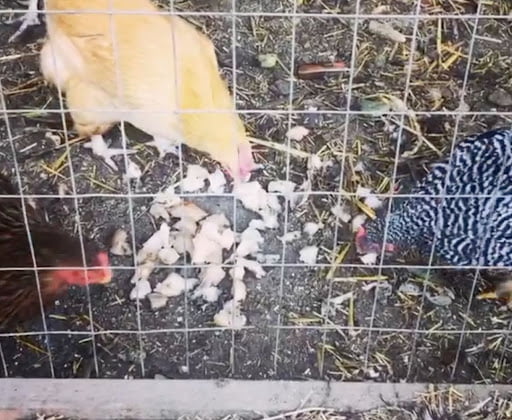
These girls have to live behind protective fencing.
I like to make special snack treats for my hens.
The recipe is very flexible. I take about a gallon of steel cut oats, quinoa flakes, or millet, and mix in a cup of slightly ground flax seeds, a cup of kelp flakes, smashed up eggshells (not too powdered, and baked at 300 F for 15 minutes to sterilize), and any herbs that I have too much of. Often I have too much oregano or rosemary; I crunch the herbs up and add them to the mix. It’s best to use a high protein grain such as the ones I just mentioned. Many of the kitchen scraps our chickens get are high in carbohydrates, and chickens need protein for egg production.
There are also many healthy and delicious treats to be found in the garden. Whenever I visit the hens, I pull some ‘weeds’ and bring them to the big birds as an offering in exchange for their eggs. My chickens love dandelions and chickweed especially, but I also give them clover, sheep sorrel, violets, purple deadnettle, dock, wild yarrow, purslane, chicory, bug-infested kale and lettuces, chard leaves that are full of leaf miners, mullein leaves, hops, an occasional artichoke leaf, unsightly zucchine, onion tops, some elderberries (not the red variety, just the blue and black ones), clumps of grass with a few worms attached, old sunflower heads, self heal, a few fuchsia flowers and calendulas, and rose petals.
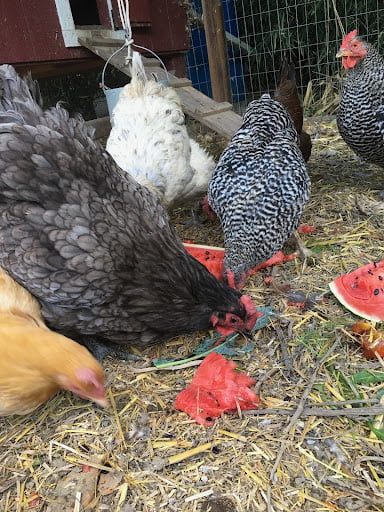
Chickens LOVE watermelon! Especially on a hot day.

Chickens also like nettles and hawthorns.
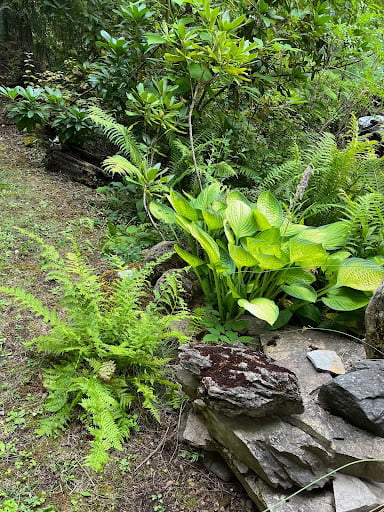
Hostas are also edible!

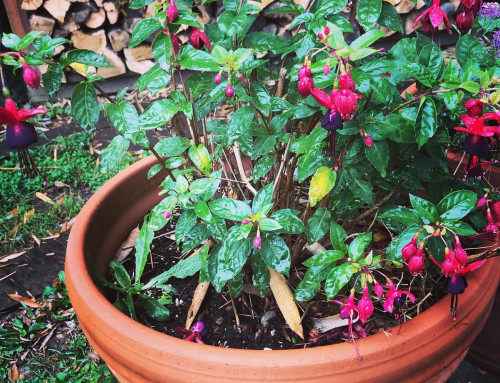
These Fuchsias are edible!

Roses are also edible!
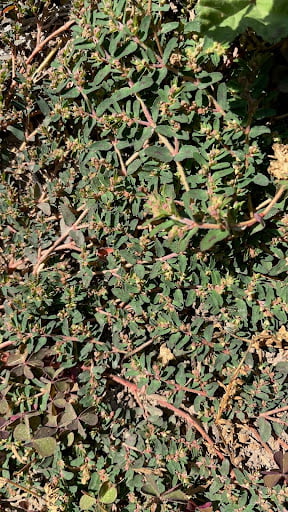
This is spurge, which is very toxic to both chickens and you!

These hens get kale, dandelion, fennel, and pomegranate.
Chickens LOVE watermelon! Especially on a hot day.
Chickens also like nettles and hawthorns.
Hostas are also edible!
These Fuchsias are edible!
Roses are also edible!
This is spurge, which is very toxic to both chickens and you!
These hens get kale, dandelion, fennel, and pomegranate.
I have planted climbing roses and honeysuckles around the chicken yard, as a source of shade and beauty, as well as a source of snacks. Any rose that grows through the fencing and into the yard gets quickly nipped off. Chickens also love jostaberries and mulberries (leaves and fruit), as well as bruised plums that fall off the tree. I leave some of the plums for hungry pollinators in late summer – you should see them covered with honeybees!
This method of garden maintenance performs three functions : as you rid your yard of some weeds and clean up some fallen fruits, you feed your chickens many of the wild foods they are missing out on if they can’t free range. In Permaculture we say, every element should perform more than one function, and every function should be performed by more than one element. The plants are performing the functions of feeding humans, chickens and pollinators, and the chickens perform the functions of processing food waste and weeds, giving us excellent fertilizer, and laying eggs.
When giving your hens treats directly from the garden, make sure you don’t give them any deadly nightshade, morning glory, spurge (very toxic look-alike for purslane, and if you aren’t familiar with purslane, you should look this up), poison oak or poison ivy, or digitalis. They also shouldn’t eat tomato plants, potato plants, any part of a Chinese Lantern plant, tomatillo plants, ground cherry plants, or pepper plants, though the fruits of all those plants, except for the Chinese Lanterns, should be fine. Another one to avoid is ivy; some ivy is toxic, but I can’t tell which is which. Oleander should be completely avoided; in fact, I wouldn’t plant it in my yard. Laurel hedge is also poisonous, as are daffodils and tulips. I don’t give them bulbs of any type, just to be safe. It’s wise to steer clear of giving any parts of houseplants to your chickens. I never considered giving a chicken any kind of thorny cactus, and I also wouldn’t give a chicken any marijuana!
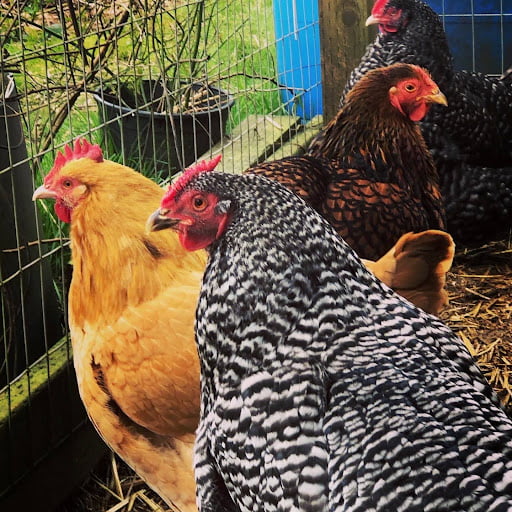
When I look back at these lists of edibles and inedibles, it pretty much looks like common sense.
Many of those so-called weeds are not only good for chickens, but also good for you. As a rule of thumb, don’t give your chickens anything that you wouldn’t want to eat! And remember that some things which are unpalatable to you are deadly to them.