This is part of a new series of blog posts for beginner gardeners. These posts may be a little shorter and more specific in nature.
Most of my recent blog articles have been “how-to” posts, how to grow food on a balcony, how to start a three sisters garden, how to…you get the idea.
But there’s so much going on in this country right now that it would be irresponsible of me to ignore it; however, there are plenty of journalists, observers, and content creators out there in the blogosphere who possess much greater skills in analyzing history and providing commentary than I possess, so rather than delve into partisan politics, let me just start by saying that what I feel is needed right now is compassion. That, along with healing the earth and creating a little beauty.
I’m interested in doing what I can to stay sane without betraying my own values and ethics. The thing most helpful to me is focusing on what I can do for the planet. I would like to leave the world better off for my existence.
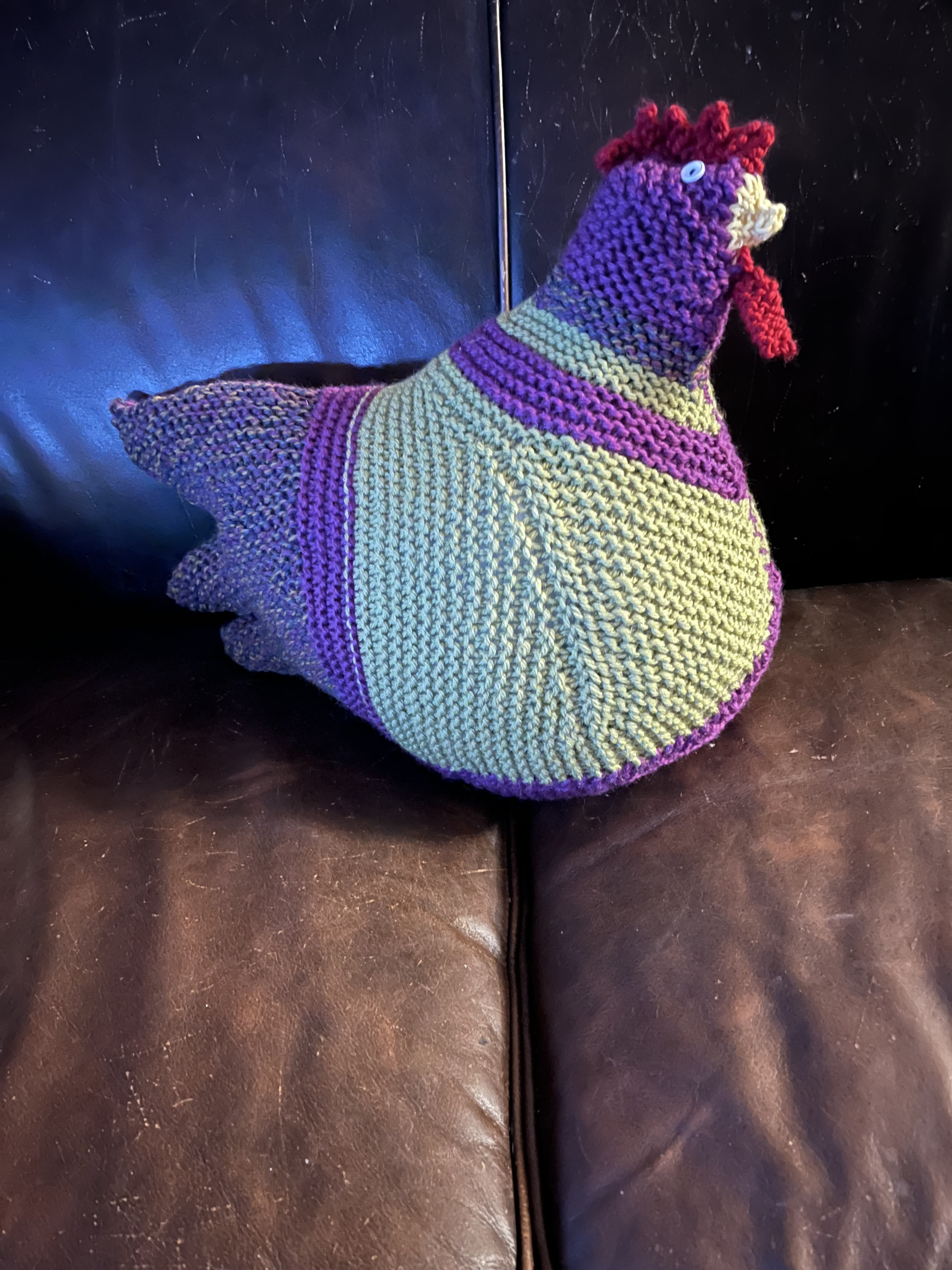
An emotional support chicken might help a little too. Patterns available from The Knitting Tree LA. See bottom of article for link. They have both knit and crochet versions.
So, what can I do to help? What actions can I take that are kind to the planet and all of its denizens, including humans? Let me describe some of the things that keep me from sinking into a sea of fear or depression.
To keep it simple: help others, human and non-human alike.
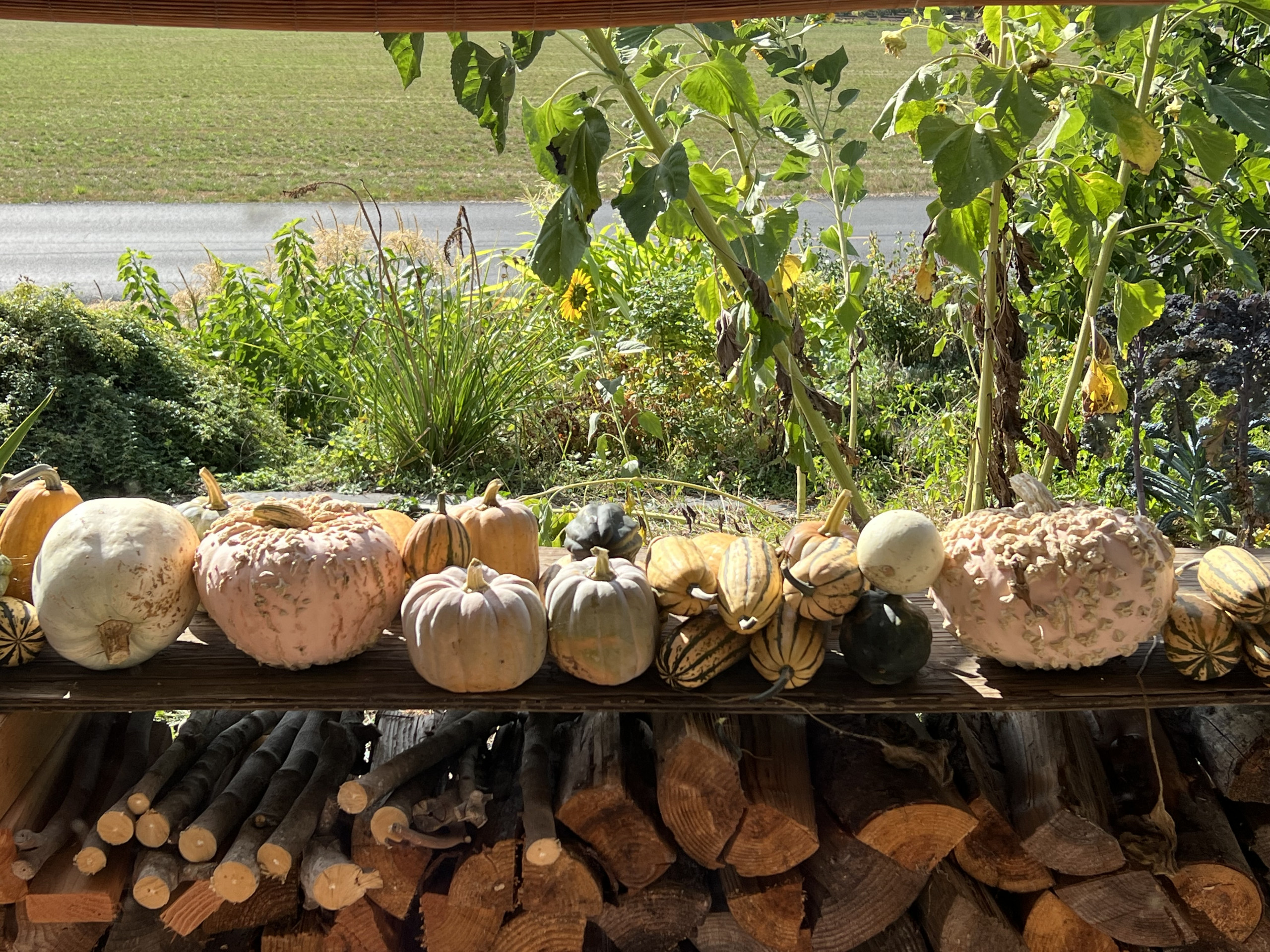
Growing these squash saves me money on groceries and helps my neighbors, while reducing my demand for commercially grown food (monoculture crops). Bees love the squash blossoms, and the resulting squash are beautiful to look at!
My work with Edible Landscapes https://edibleyamhill.org/ is one way that I try to help, and I’ve been on its board for a little over a year. Their work lifts my spirits. Last year we built and installed raised vegetable beds and a small food forest at each of the Head Starts in our county, did the same for nine low-income families with children, gleaned and donated over 5000 pounds of produce to local food pantries, designed and began planting a food forest at Blanchet House (a men’s recovery facility https://blanchethouse.org/blanchet-farm-residential-recovery-program/), planted and gave away thousands of seedlings at our spring Edible Garden Festival, gave away thousands of pounds of produce at our Fall Harvest Festival, and began planting a large food forest (on land owned by McPhillips Farm – check them out! https://www.tainablelabs.com/ They do great work-) which will eventually contribute large amounts of food to local food pantries while healing and restoring some depleted land. I’ve also started a small book and film group through Edible Landscapes, and now I’m in charge of the committee that promotes and maintains our 29 large planter boxes which already provide some food to anyone who wants to take it.
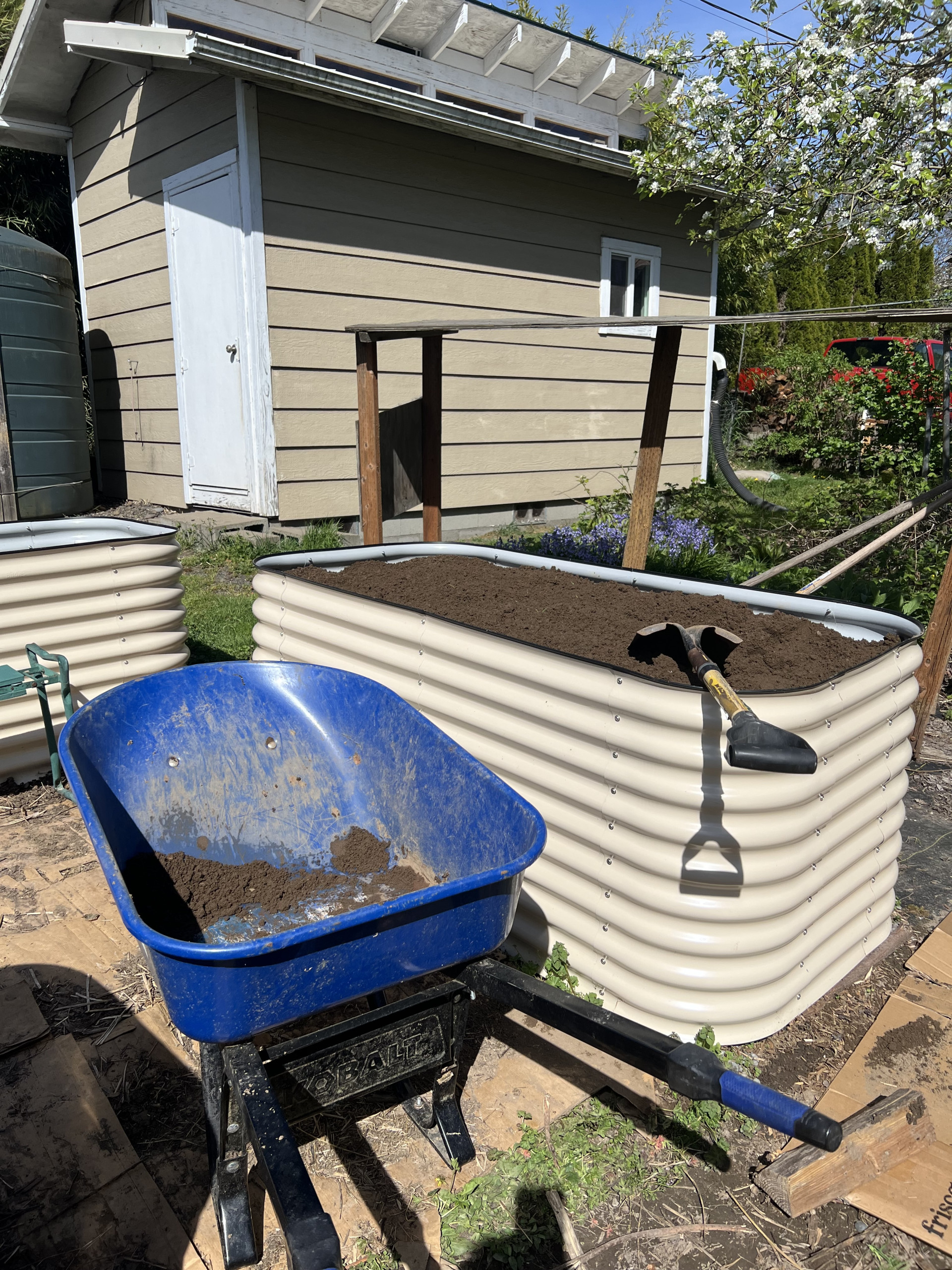
This is the type of bed that Edible Landscapes has been providing for Head Starts and low-income families. Link at bottom of page.
Whenever I start to criticize myself too much, asking what have I ever done to improve this messed up world I’m living in, I just have to remind myself of the important work that Edible Landscapes does. Incredible Edible Todmorden is one of the organizations that inspired the founders of Edible Landscapes. Here’s a video of a TED talk with one of the women who founded Incredible Edible Todmordenhttps://youtu.be/vqhx4Etdvr0?si=fEjjXuUo1hN5ZsPq

These ground cover plants (violets) are edible, medicinal, and delicious.
Not everyone has the option of joining an Edible Landscapes type group, but there’s still a lot you can do. Here are some examples of people who are doing amazing things, people you’ve probably never heard of.
I recently got acquainted with a young permaculture gardener, Natty Dave of Treedemption Garden https://treedemptiongardens.godaddysites.com/ who is restoring some depleted land on a shoestring budget, and he can use some help. We’ve worked out a process that benefits us both. I give him most of my prunings (ok, I do clone a few things myself) from my currants, figs, mulberries, elderberries, sage, jostaberries, aronias, haskaps, and gooseberries. He grows plants from my cuttings and plants some in his developing food forest, sells some at markets or directly from his site, and gives me a few different plants or some good compost. I get rid of extra plant material, and he gets free plants! Sometimes I save seeds for him or give him leftover pots, and he gives me some new strawberry plants or helps with some garden chores.
I’ve also befriended two wonderful local permaculturists, Randy and Edith Woodley https://www.eloheh.org/, authors, activists, farmers, and conservationists. Both enrolled members of indigenous nations, they are restoring their large piece of land to the oak chaparral it once was. They are also educators and spiritual leaders in their traditions, as well as preservers of native seeds, and I’ve had the honor of showing them my garden, giving them some plants, and saving seeds for them. I have a white sage plant growing in my garden, a plant which is sacred to many indigenous peoples, and which is getting overharvested by enthusiastic non-indigenous people who are impressed with indigenous spiritual practices. Randy and I agreed that the plant should remain where it is, since it is happy there, growing together with aronias, haskaps, walking onions, sorrels, penstemons, artichokes, goumis, currants, and a medlar tree. The best solution, we decided, is for me to save its seeds for him and Edith.
Now you are probably asking, where am I going with all of this?
Well, we need connection and inspiration. We need to connect with people who are doing good things, people who help impoverished people grow their own food and become less food insecure, who feed the unhoused, who plant forests full of food, who preserve ancient seeds, skills, and traditions.
You don’t have to do any such grand things, just allow yourself to be inspired by those who do.
Another activity that improves my outlook is foraging (ethically).
I grow a lot of food, and I am lucky enough that I could buy the rest, but I LOVE to forage. Foraging gets me out in the fresh air, provides a little exercise, and leads me to all sorts of beautiful places. I also get to learn some history of the area where I live. I’ve learned about some of the traditional foods eaten by the kalapuya people, upon whose land I now live. I enjoy walking around in nature and imagining the people who walked the same paths many hundreds of years ago, as I eat some of the same foods they ate. (note: some of these “wild” foods were not wild to indigenous peoples – they were cultivated, but that’s a topic for another article). And I’ve learned about some of the medicinal properties of the things that grow near my home.

Elderberry bush in flower. Both flowers and berries are edible and medicinal. Cook the berries before eating them.

Magnolia flowers are edible, especially good when they're just starting to open.
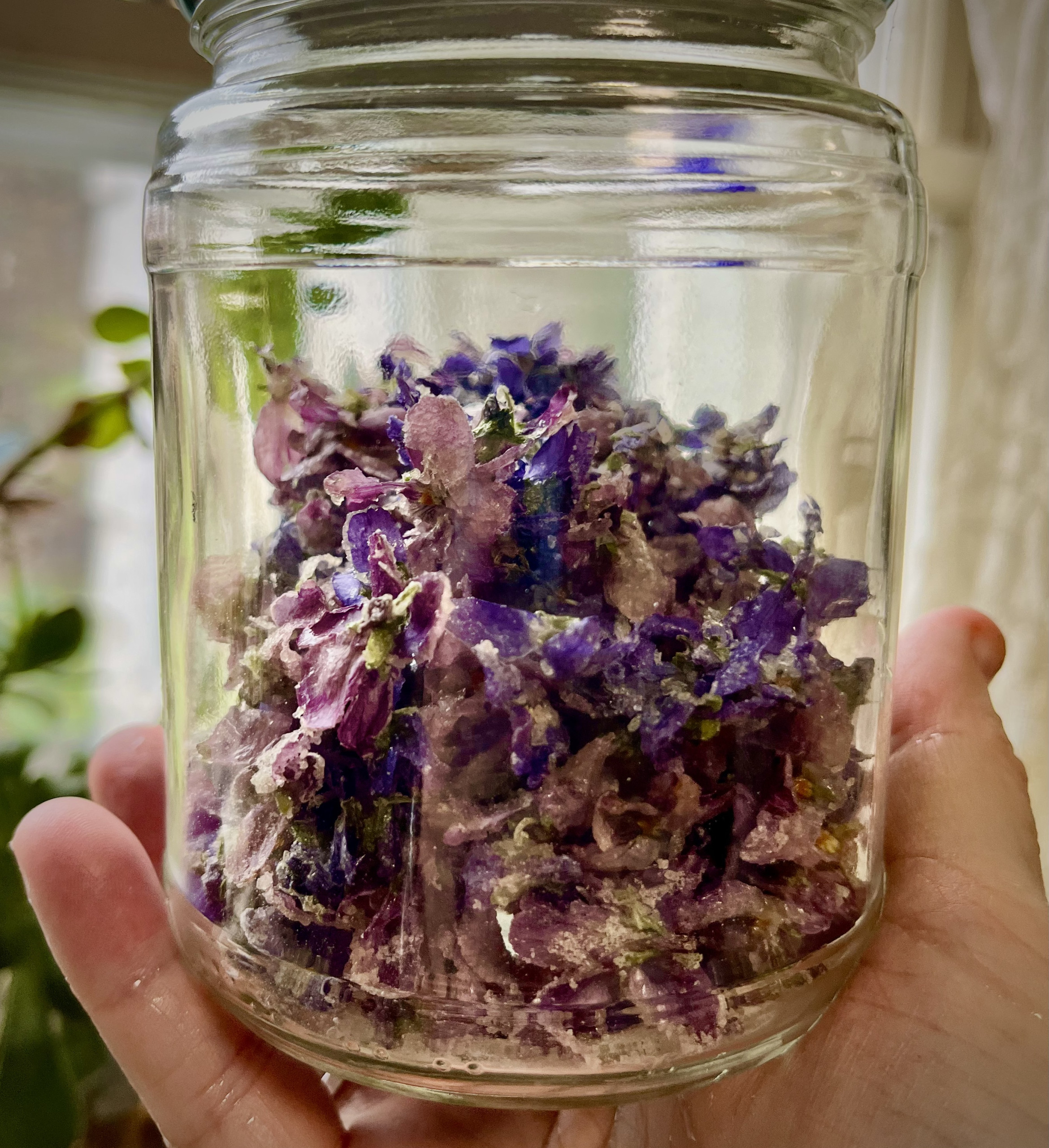
Candied violet flowers, delicious on top of cakes or cupcakes.
Finally, foraged wild foods often contain more nutrition (vitamins, minerals, phytonutrients) than their domesticated cousins do. And they’re delicious. You can’t beat a fine stinging nettle soup or pesto!
Go for walks with a small book about plants in your area, just to get to know them.
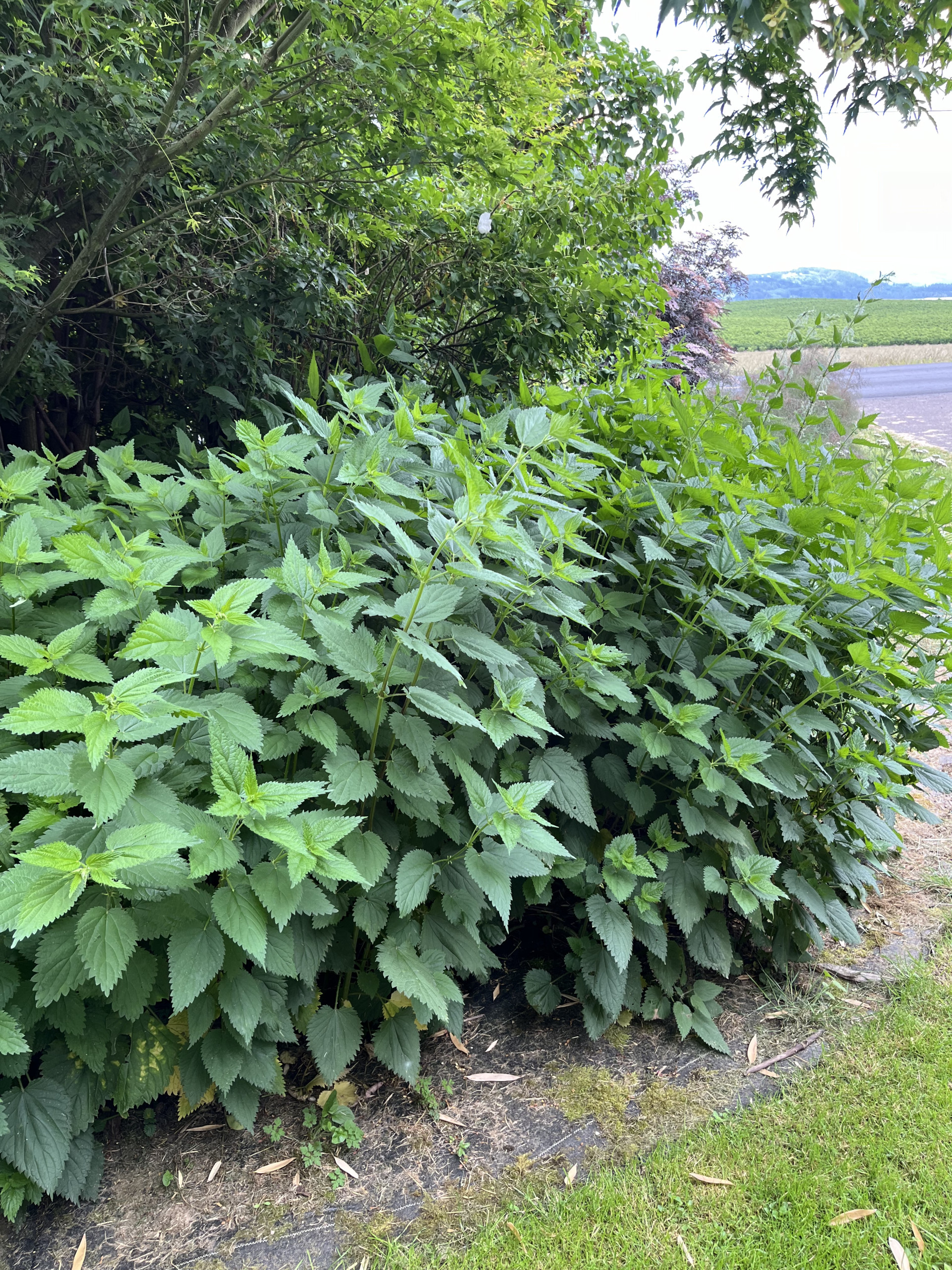
Stinging Nettles: good for you, good for insects and foraging animals, and good for the soil (as a compost tea).
There are other ways to appreciate the beauty around us while helping others. You can help the world by putting a box of free veggies or fruit on a curbside table with a “free” sign on it. If your neighbor will let you, pick some fruit from a tree they don’t harvest from, and put some of the fruit out for people to take. When I see a mom with kids stop at our free table and grab some free food, I feel a little happier. I also find the sight of free food tables full of fruits and vegetables appealing.
The produce itself is beautiful!

Vegetables and fruits are certainly beautiful!
If you have some spare books and own the place you live, consider putting up a free little library. If you don’t own your home but still have spare books, donate them to the local library. And if you know a lot of people who have loads of spare books, consider working with them to make a small local library; some people in my town did that, opening up a library in a local church. It’s open a couple of days a week and relies on volunteers. It’s small, but it’s a great start!
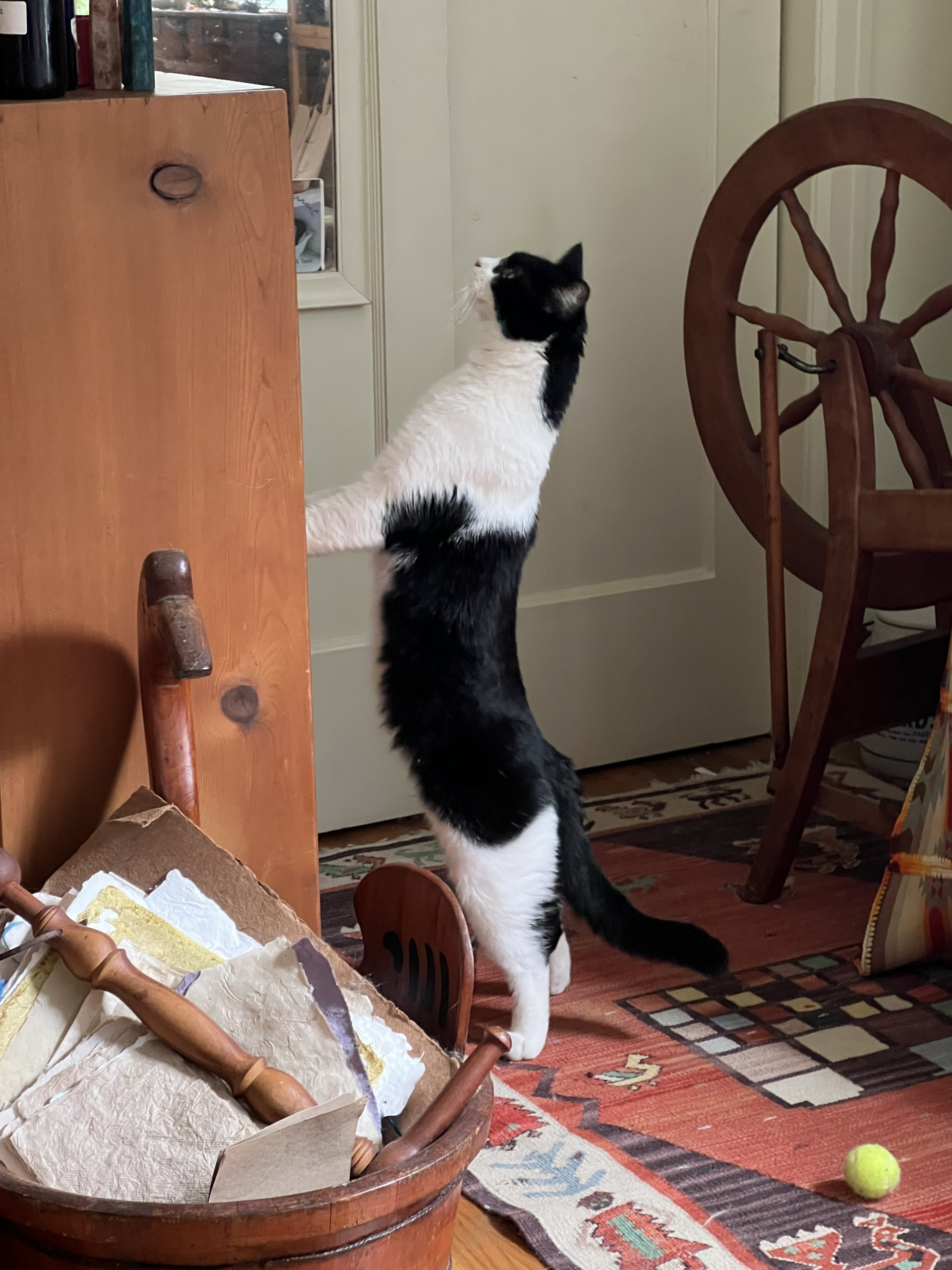
String Bean is looking for a book to read. It looks like he needs to go find a local library!
Perhaps you live in a place where none of the things I have mentioned are available to you. Can you make some seed bombs and throw them in a neglected vacant spot? https://www.youtube.com/watch?v=hURzGJZVLis
Maybe you have an animal shelter in your town. It may sound silly, but you could go there and pet cats or walk dogs.
Numerous studies have shown the benefits of spending time with animals.
If you’re allergic to furry animals, maybe you can simply plant some native plants where you live, to help your local animals and insects. No money for that? Can you find a native plant and take a few cuttings (not too many!) to start new ones? Don’t dig that plant up, just take cuttings after the plant is done flowering. When I snip a plant while I’m out walking, I take the branches that are gangly (need trimming) or are hanging into the path and bothering people.
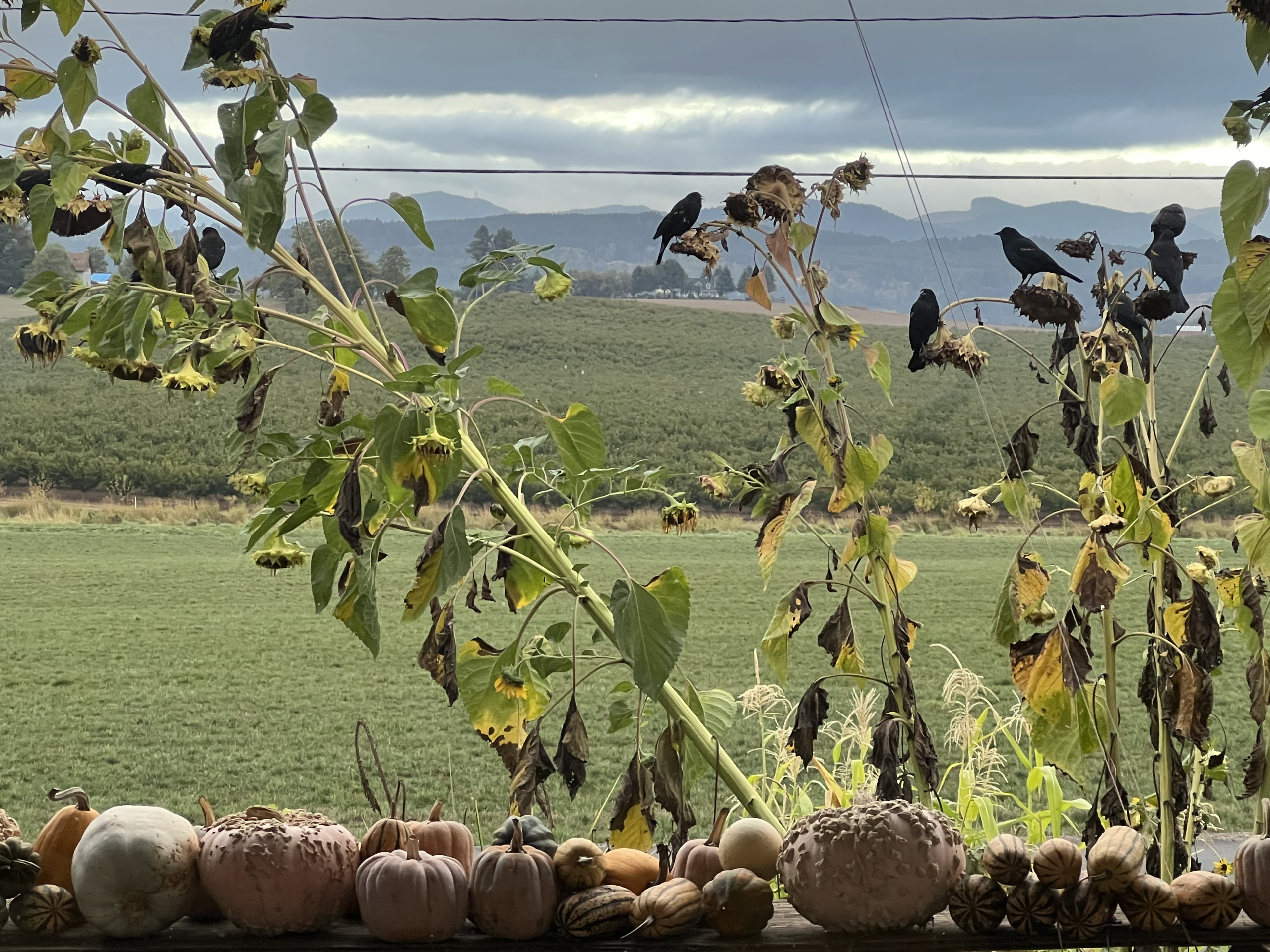
Leave lots of seeds for hungry birds!
Can you gather seeds from native plants in a nearby park? Again, remember to only take a few – not only do animals like birds eat a lot of local seeds, but also the plant should be able to spread by shedding seeds on the ground. Indigenous peoples have for centuries harvested wild food cuttings and seeds, always with the commitment to not overharvest and to leave enough for the animals. In fact, they often did it with the intention of improving the plants and spreading them around, resulting in more harvest over the long run.
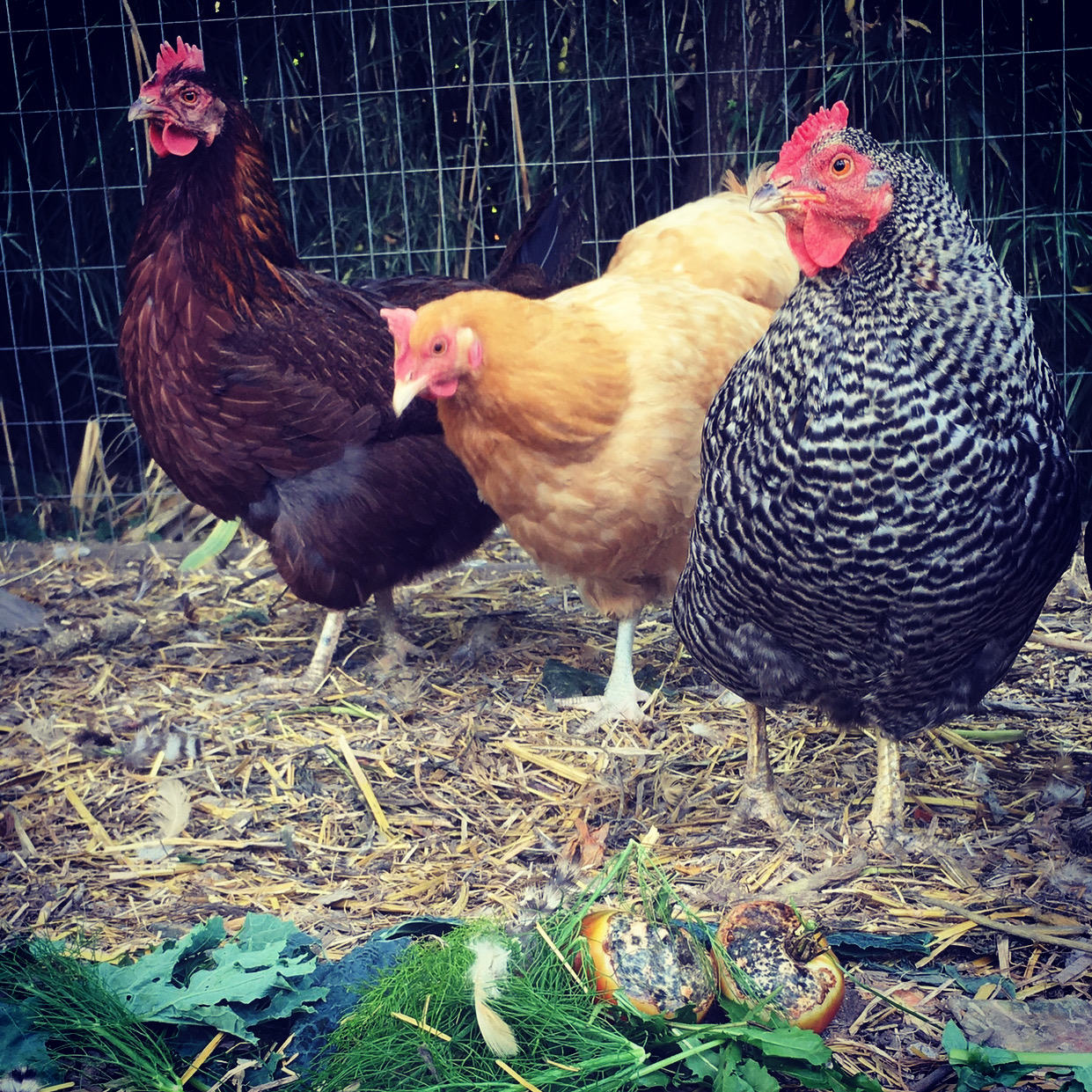
If you own chickens, give them some weedy treats. If your neighbor owns chickens, give your weeds to them, with permission.
I think what it all comes down to is this: get outside, get to know your land, get to know your neighbors, and foster your community, both human and non human.
Doing these things should improve your mood, reduce anxiety, and maybe make you feel a little better about yourself. And the people, plants, and animals around you will appreciate it, whether anyone knows it or not!
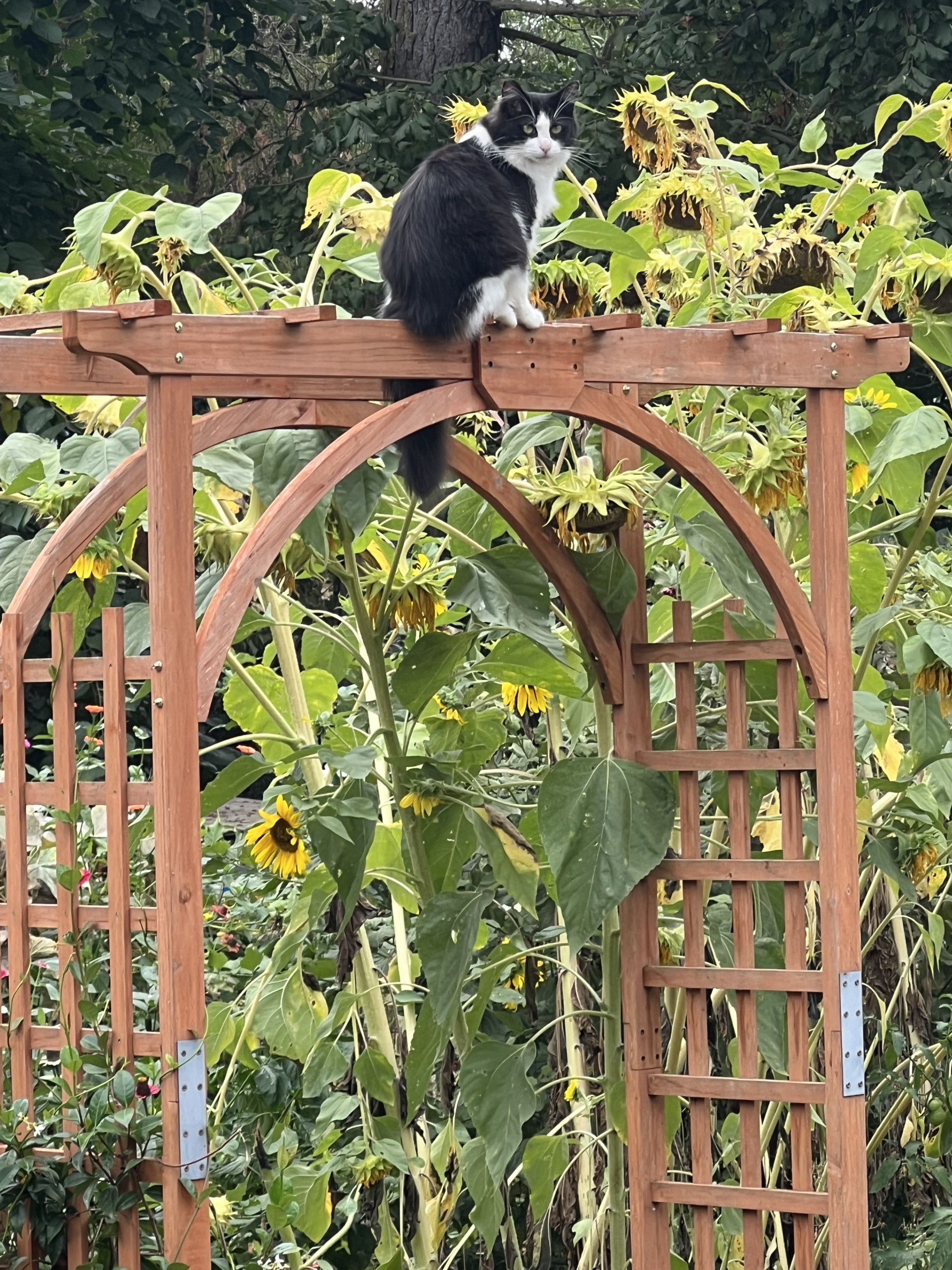
Arabella guards the sunflowers.
Note: I’m not a mental health professional. If you have an actual mental illness that needs chemical treatment, please do see a professional!
Also, never forage something that you aren’t sure about! As Black Forager (Instagram, Youtube etc) says, “Happy Eating, Don’t Die!”