This is part of a new series of blog posts for beginner gardeners. These posts may be a little shorter and more specific in nature.
How to Garden on a Balcony: A Step-by-Step Guide
Urban living often means limited outdoor space, but that doesn’t mean you can’t have a garden and grow food. A balcony garden can be a lush, productive, and beautiful space, even in the heart of the city.
You don’t have to own a farm to grow a little food.
Whether you’re looking to grow flowers, herbs, vegetables, or a mix of all three, here’s how to make the most of your balcony garden.
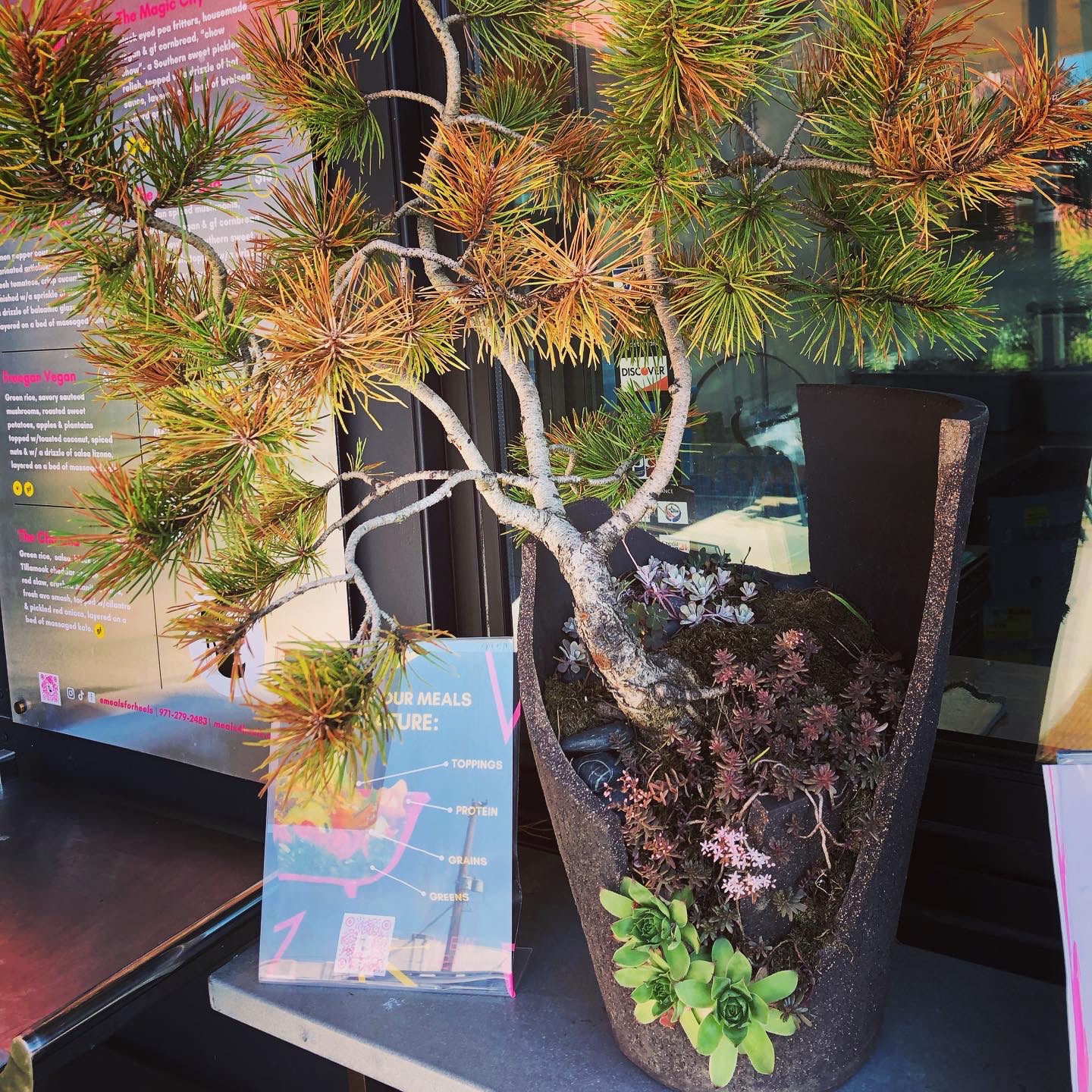
What a beautiful way to use a broken pot!
Assess Your Space
Before you start, take a close look at your balcony:
A. Size and Layout
Consider how much space you have and the shape of your balcony. Is it narrow or wide? Does it have railings or walls? This will influence the type of containers and plants you can use. If your balcony has a solid railing (wall), you will have some shade. You can plant shade plants right next to that wall, or you can put your sun-loving plants on a bench to give them more light. A see-through railing will, of course, let in a lot more sun.
B. Sunlight Exposure
Check how much sunlight your balcony gets throughout the day. South-facing balconies receive the most sunlight (in the northern hemisphere), while north-facing ones get less. East-facing balconies get morning sun, and west-facing balconies get the hot afternoon sun. Knowing this will help you choose the right plants and the right place for them.
C. Wind Exposure
Balconies can be windy, especially in high-rise buildings. Wind can dry out plants quickly and may even damage delicate ones. Consider adding windbreaks like trellises, screens, or taller sturdy plants to protect more vulnerable species.
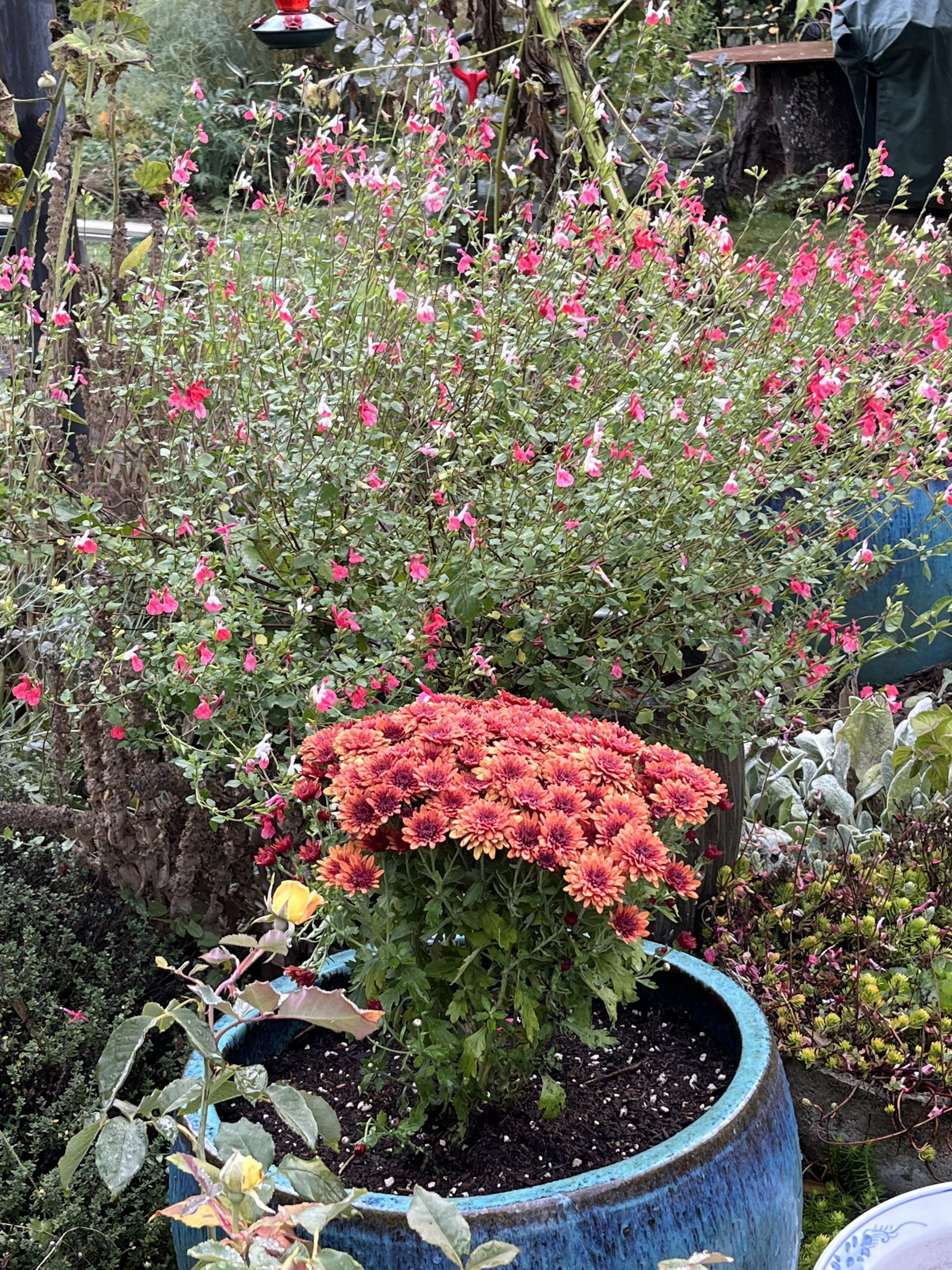
These chrysanthemums and the hot lips salvia in the background do well in pots in the sun.
Choose the Right Containers
Container gardening is key on a balcony. Here’s what to consider:
A. Types of Containers
Pots and Planters: These come in various materials such as plastic, ceramic, metal, and wood. Choose based on aesthetics, weight, and how well they retain moisture. If money is an issue, there are lots of inexpensive ways to do it. Think of the cheap 5-gallon bucket with a hole in it, or check out garage sales and thrift shops. All sorts of containers will work, as long as they have drainage. I’ve even seen people use sturdy plastic bags like the ones you get from Safeway to carry groceries! Just make sure to put a couple of small holes in them, and lean them against something solid.
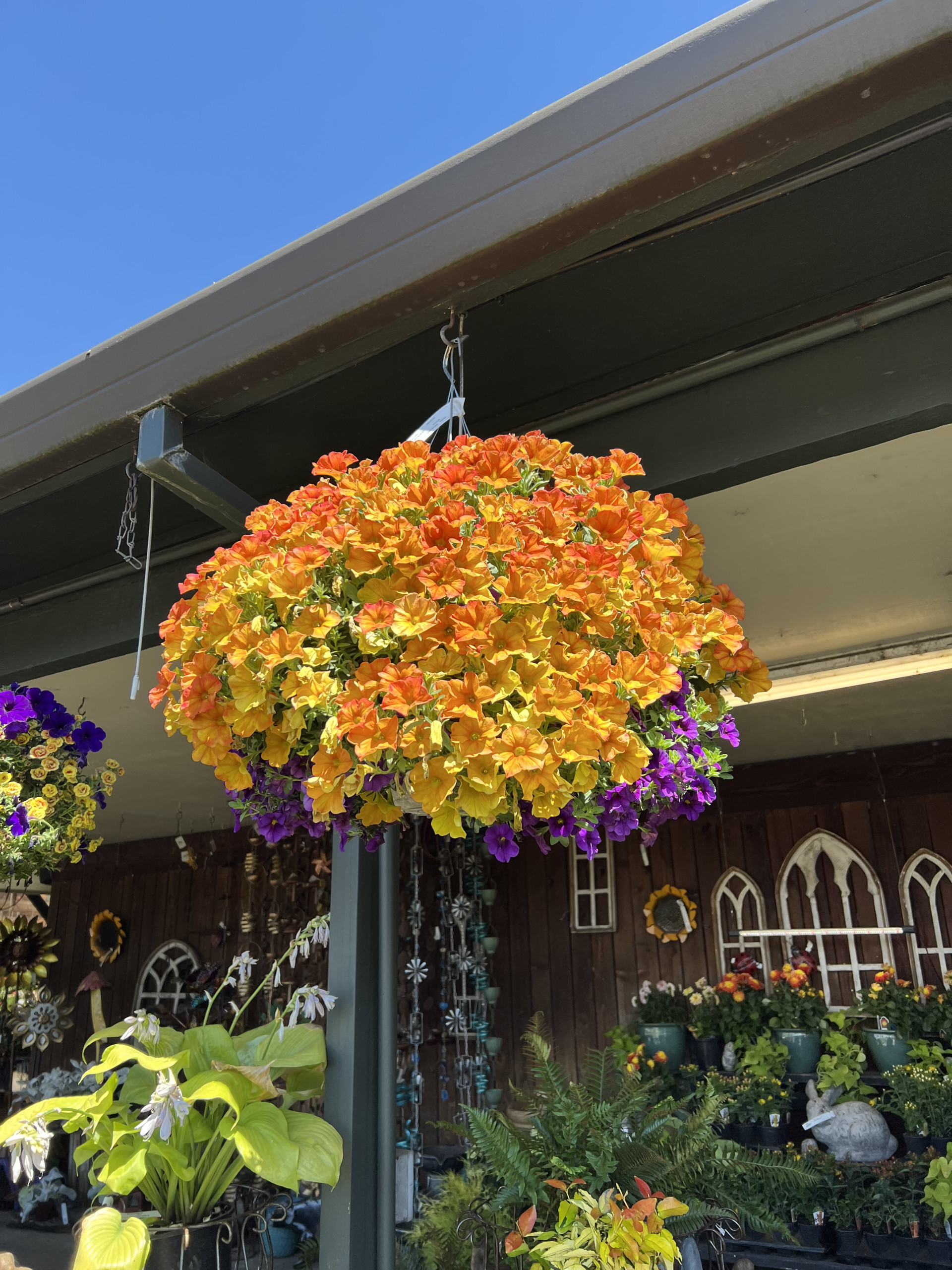
These lovely petunias absolutely glow. They're like a hanging lantern!
Vertical Planters: These are perfect for small spaces. They can be wall-mounted or freestanding and are great for herbs, strawberries, lettuces and other greens, or small flowers. You can also put pots up on a couple of bricks to elevate them
Hanging Baskets: Ideal for trailing plants like petunias, ivy, some herbs, nasturtiums, or fuchsias.
Window Boxes: These can be attached to the balcony railing, saving floor space and providing a lovely display of flowers or herbs. You may also find some that have legs. They can also hold radishes, greens, garlic, spring onions, or even smaller carrot varieties.
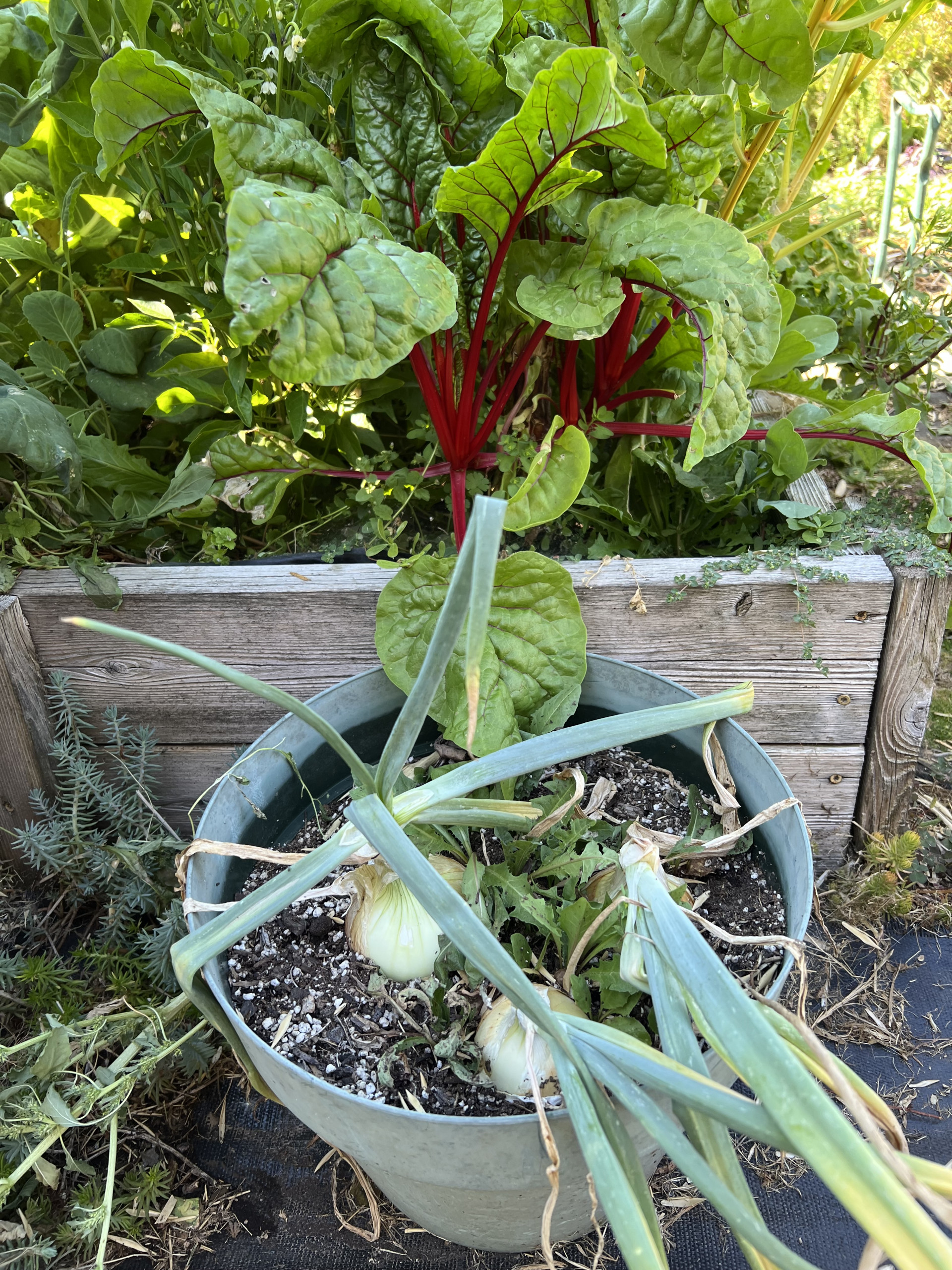
These onions did fine in pots, and they're ready to harvest.
Drainage
Ensure your containers have proper drainage holes to prevent waterlogging, which can lead to root rot. Elevate pots slightly off the floor using pot feet or trays to allow excess water to drain away from the plant itself. Please do make sure you catch any extra water! Your downstairs neighbors and the pedestrians below won’t appreciate having plants drain on them.
Select the Right Plants
Choosing the right plants is crucial for a successful balcony garden:
A. Sun-Loving Plants
If your balcony gets 6-8 hours of sunlight a day, consider growing:
- Vegetables: Tomatoes suited to large pots, Peppers, Cucumbers, Eggplants, Onions, Carrots, Beets, Garlic, a small Squash plant in a large pot.
- Herbs: Basil, Rosemary, Thyme, Oregano.
- Flowers: Geraniums, Petunias, Marigolds, Sunflowers, Nasturtiums.
- Fruit: Strawberries, Ground cherries
Shade-Tolerant Plants
For balconies with less sunlight (less than 6 hours), opt for:
- Vegetables: Lettuce, spinach, kale.
- Herbs: Mint, parsley, cilantro, chives.
- Flowers: Impatiens, begonias, ferns, hostas.
- Fruit: if you have large enough pots, try growing currants!
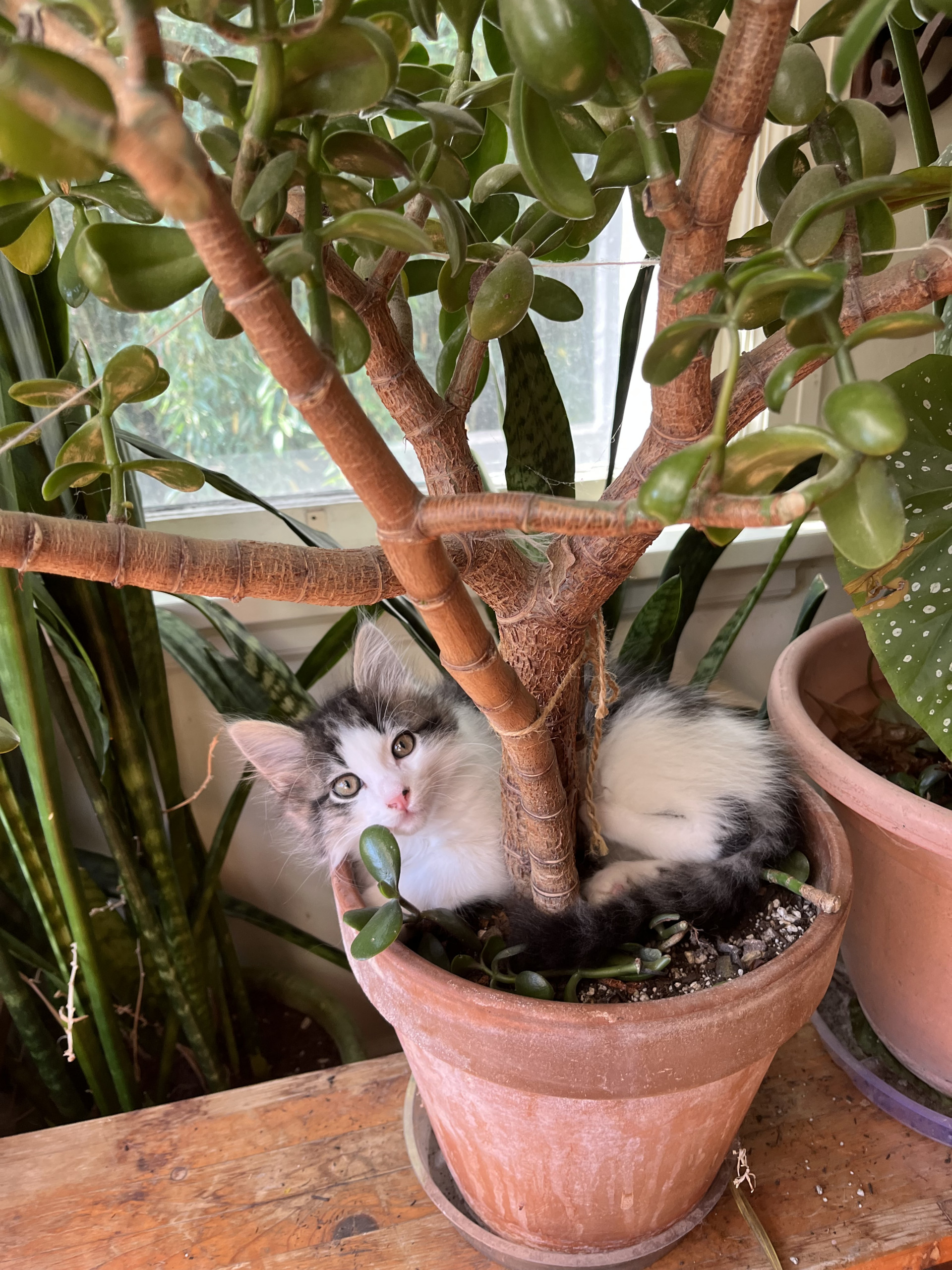
What an odd plant...
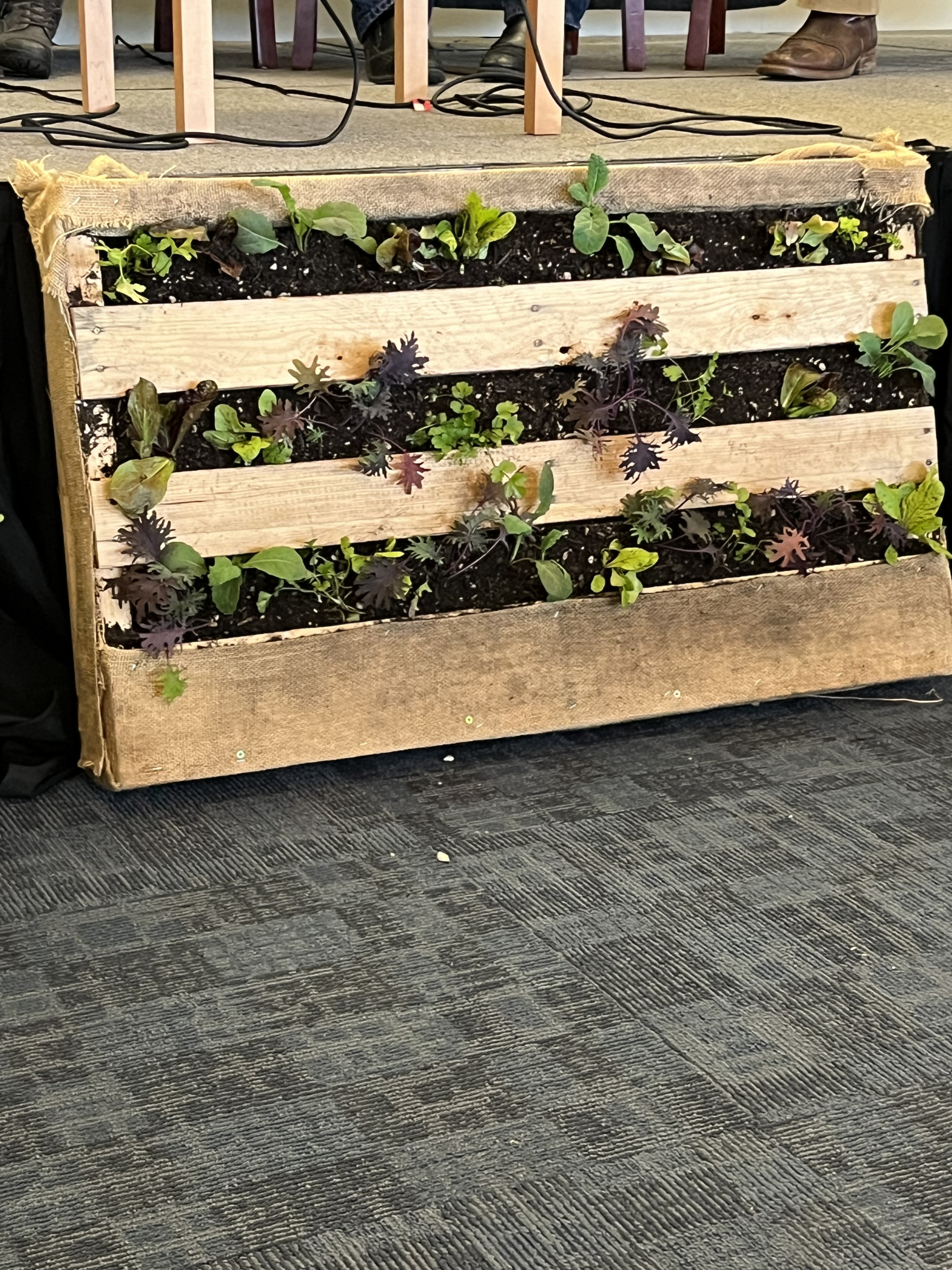
A vertical salad planter made from an old pallet is a great use of space.
Climbing and Trailing Plants
Maximize vertical space with climbers like:
- Vegetables: Beans, peas, vining tomatoes.
- Flowers: Clematis, morning glories, sweet peas.
- Herbs: Nasturtiums (edible flowers and leaves).
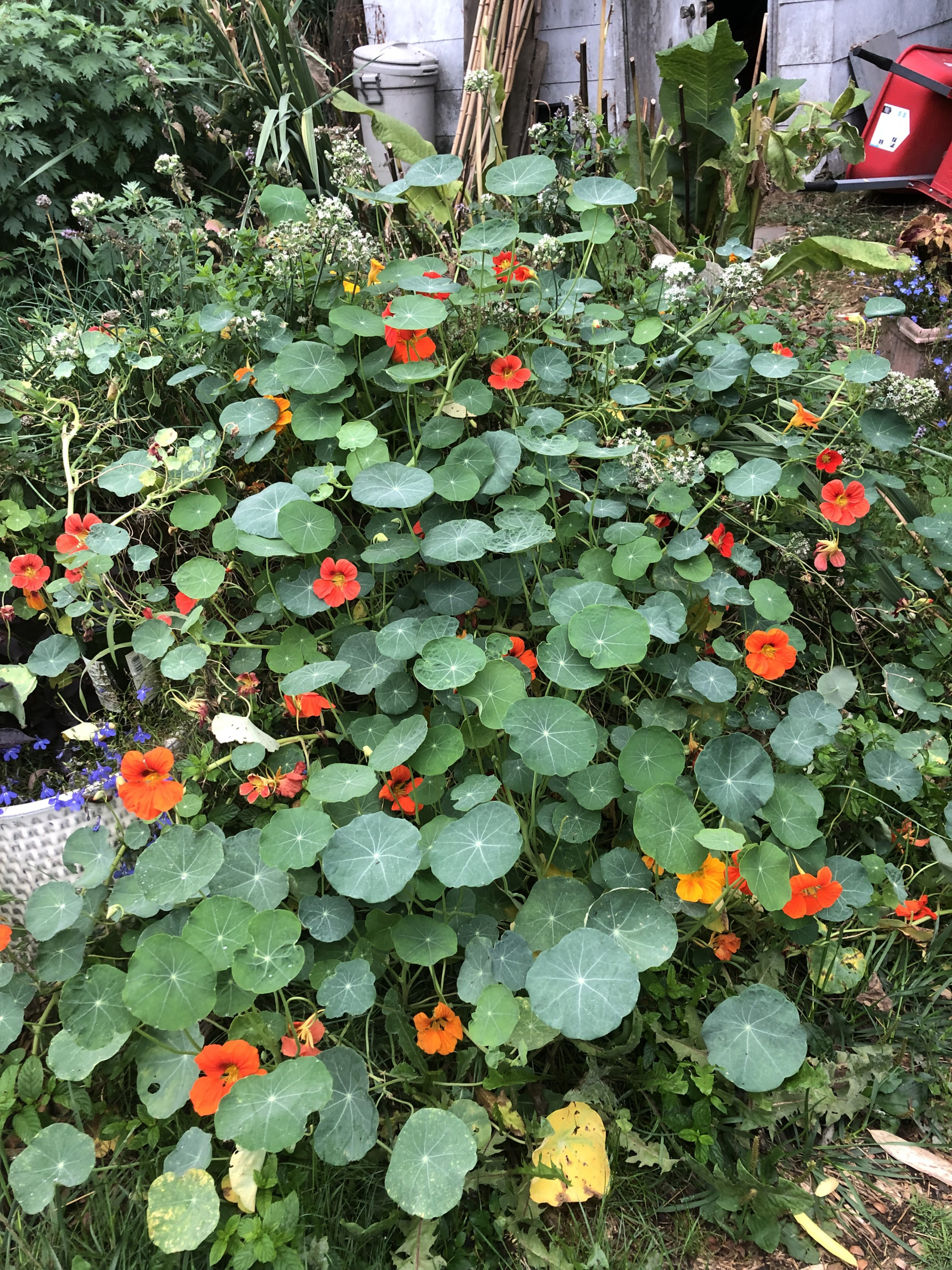
Nasturtiums are both beautiful and edible, and they do well in planter pots. They also protect other plants from some pests.
Soil and Fertilization
A. Use Good Quality Potting Mix
Unlike garden soil, potting mix is lightweight, drains well, and is formulated to retain moisture in containers. Look for mixes that are specifically designed for container gardening, preferably an organic mix. Some soils sold in nurseries have been revealed to contain weedkillers. (The seller didn’t know)
B. Fertilize Regularly
Since nutrients in pots can deplete quickly, feed your plants with a balanced, water-soluble fertilizer every 2-4 weeks during the growing season. Organic options like compost tea or fish emulsion are excellent choices. I make my own sometimes. Sometimes I soak eggshells, banana peels, stinging nettles, or herbs like chamomile in a pot for a week. I also have made a “weed” tea out of thistles, nettles, dandelions, or plantains. You can pick a few handfuls of weeds when you go on a walk – just make sure they haven’t been sprayed. To make the tea, submerge the herbs in a big jar or bucket of water for a few days. Take the herbs out and divide the smelly water between your plants. It’s best to dilute this water before using it on your plants. If you’re pouring it around the roots, dilute 1:10. If you’re using it as a foliar spray, dilute 1:20.
Watering
Watering is critical in container gardening as plants in pots dry out more quickly than plants in the ground (where they can send roots deep into the soil):
A. Water Consistently
In hot weather, you may need to water daily. However, avoid overwatering by checking the soil moisture before watering.
B. Self-Watering Containers
Consider using self-watering containers, which have a reservoir at the bottom. These are particularly useful if you have a busy schedule or are prone to forgetting to water.
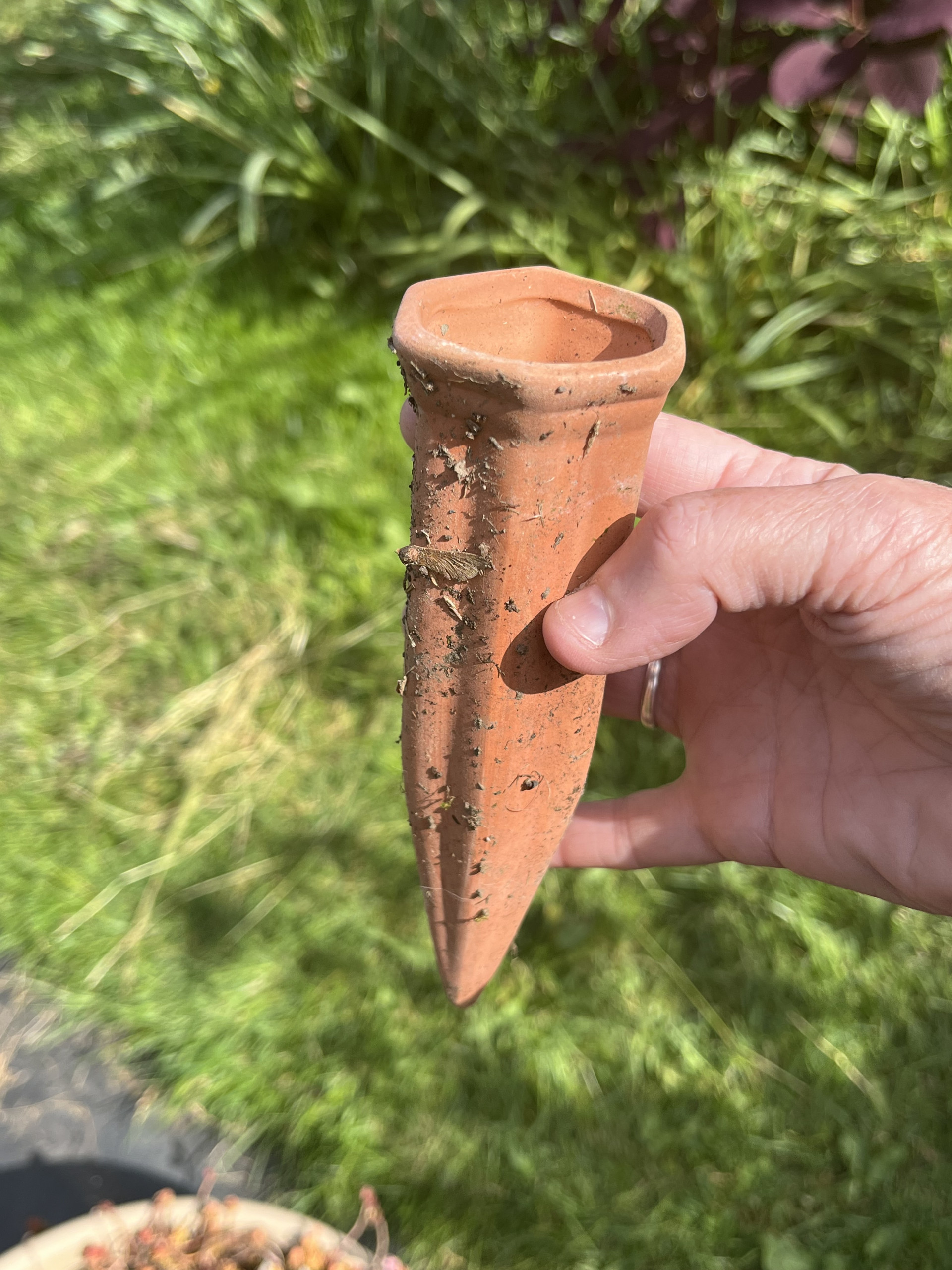
This hollow unglazed ceramic stake gets gently inserted into the soil.
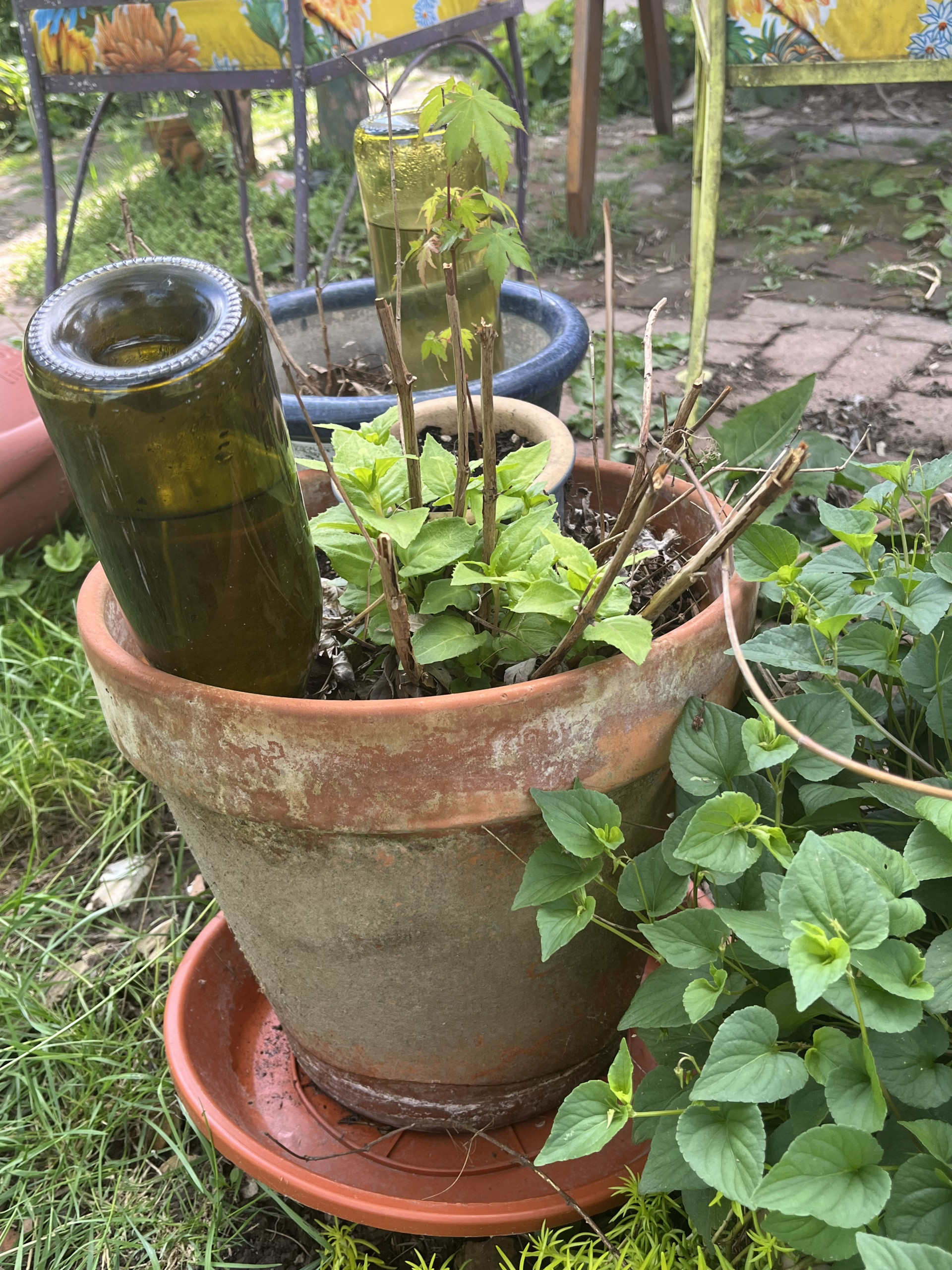
A wine bottle full of water gets upended into it.
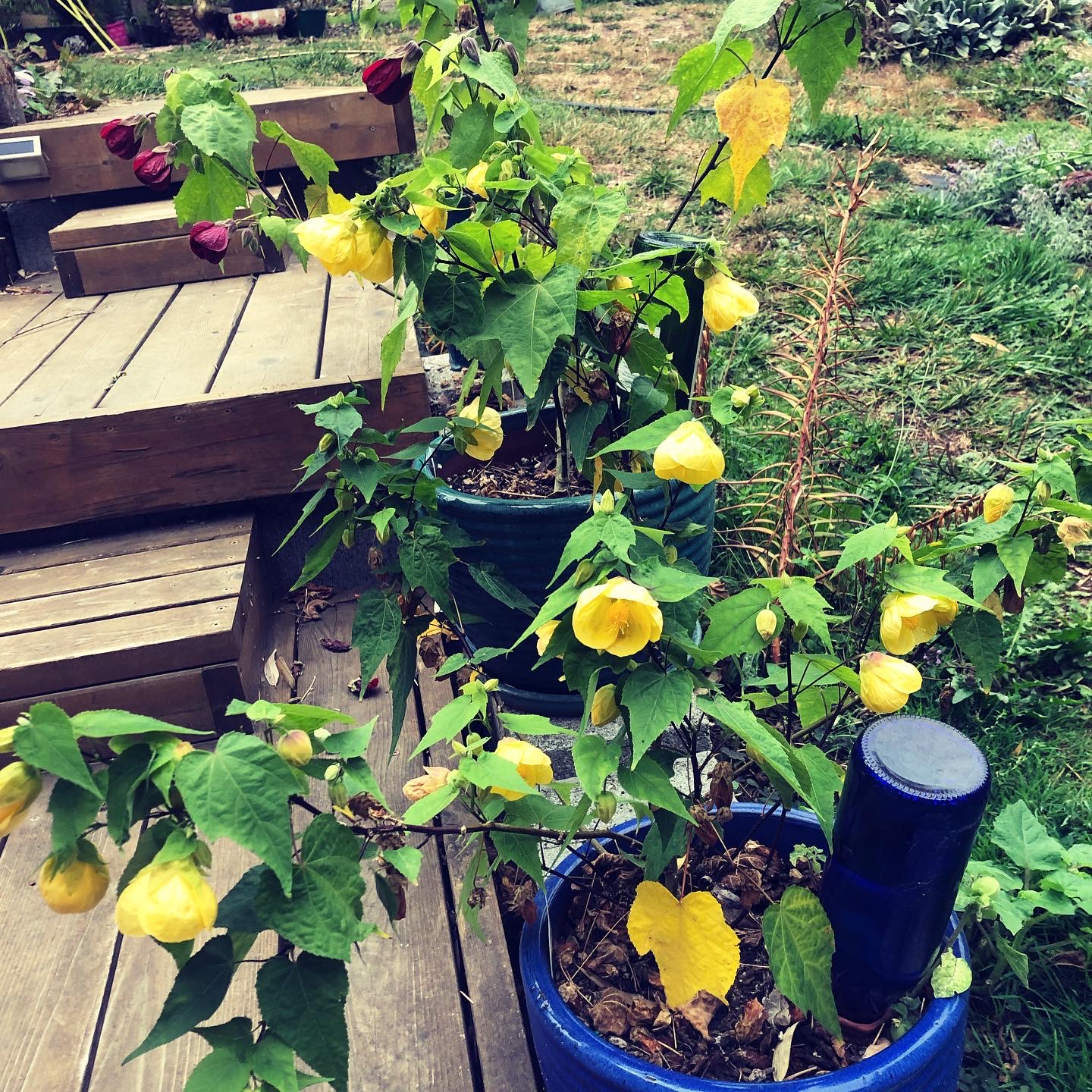
It can be decorative!
C. Ollas or hollow ceramic stakes
Hollow ceramic stakes, available here on Amazon () are ideal for potted plants. To use them, dig a hole the size of the stake in the soil, and gently press it into the pot. Fill an old wine bottle with water and place it upside down inside the opening of the stake. The water will slowly seep through the walls of the unglazed stake, remaining below the soil surface, thus reducing evaporation and reducing the frequency of watering.
If you have a very large pot, you can use an olla, which is like the stakes, but bigger. Ollas are a tool that has been used by indigenous peoples of Mexico and further south for many centuries. You can make your own, using a terracotta plant pot. Get an unglazed pot and block the hole in the bottom. To do this you can simply glue a disk of some sort over the hole. Sink the empty pot into the soil, standing upright, with the lip just barely above the soil level. Fill it with water and cover it with the dish that would normally go underneath it to catch water.
Whether you use ollas or ceramic stakes, just make sure to check them daily, to make sure they still contain water.
D. Mulching
Mulch helps retain moisture, reduces watering needs, and keeps the soil temperature consistent. Use organic mulches like shredded bark, straw, or even decorative stones. I usually end up using stones, as they keep cats from using my plants as a litter box.
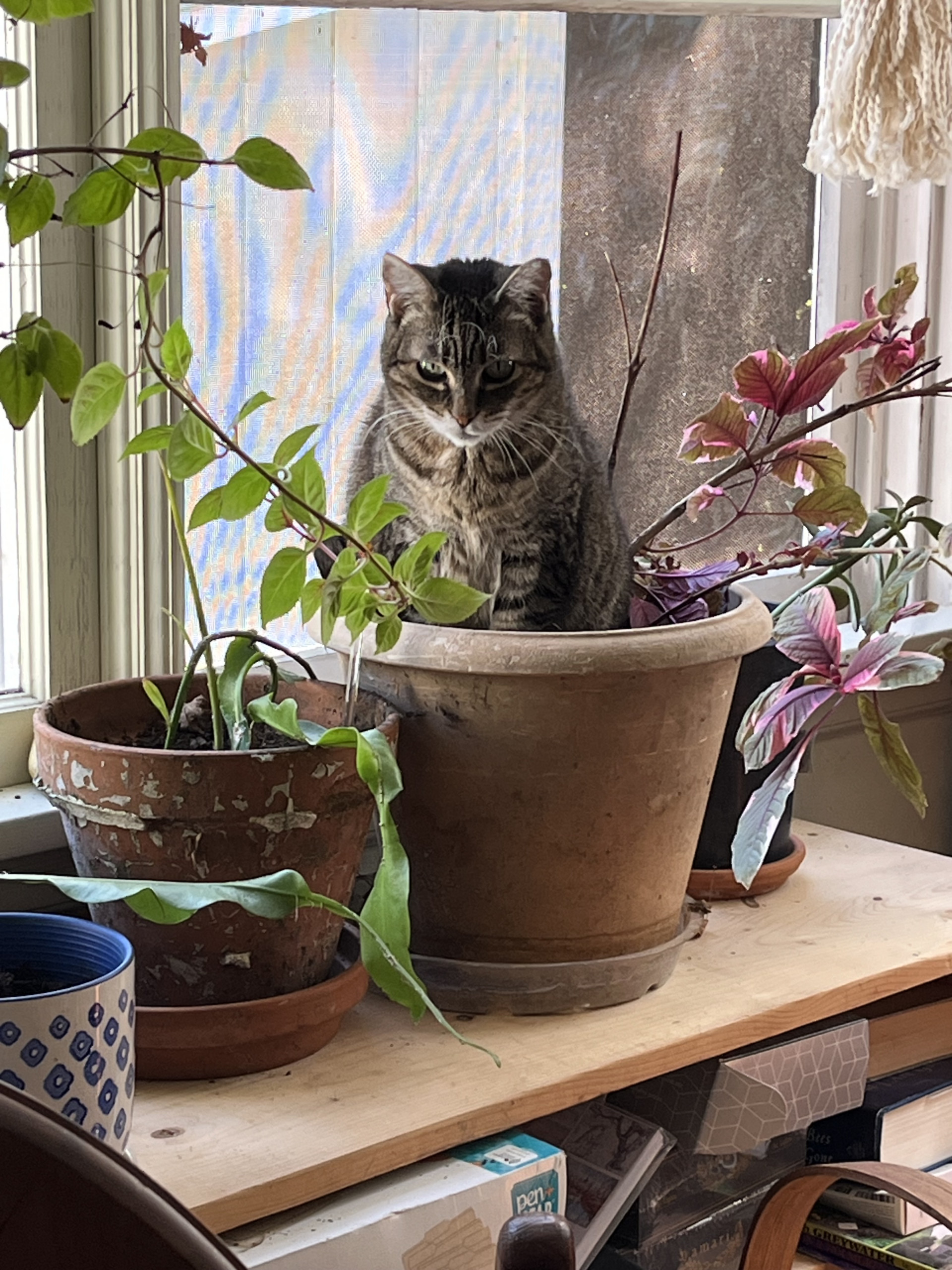
Angela isn't using the plant as a litter box, so much as a bed.
Maximize Space with Vertical Gardening
If your balcony is small, go vertical:
A. Install Shelves
Add shelves along walls or railings to stack plants in pots or planters. This also creates a beautiful green wall effect.
B. Use Hanging Planters
Hanging planters are great for saving floor space and adding a lush, cascading look to your garden. You may have to use a stand to hang your plants from, if your balcony has cement or brick walls.
C. Grow Upwards
Put trellises, stakes, or cages in your pots to support climbing plants like tomatoes, beans, or cucumbers. This not only saves space but also keeps plants healthier by improving air circulation. I often just use bamboo poles. To save money and make an interesting looking trellis, see if you can collect some branches that have fallen in a park, next time you go for a walk.
Create a Comfortable Garden Space
Don’t forget to make your balcony garden a place to relax and enjoy:
A. Add Seating
Incorporate comfortable seating like a small bistro set, bench, or even a cozy chair where you can sit and enjoy your garden. If your balcony is really small, just add a small stool for yourself. At the very least, you’ll need a place to stow your watering can!
B. Decorate
Enhance the ambiance with outdoor rugs, fairy lights, lanterns, or decorative plant pots. These touches can make your balcony garden feel like an extension of your living space. And leave a small space or ledge for your coffee or tea cup, so you can sit in your elevated garden and smell the roses while enjoying your morning brew.
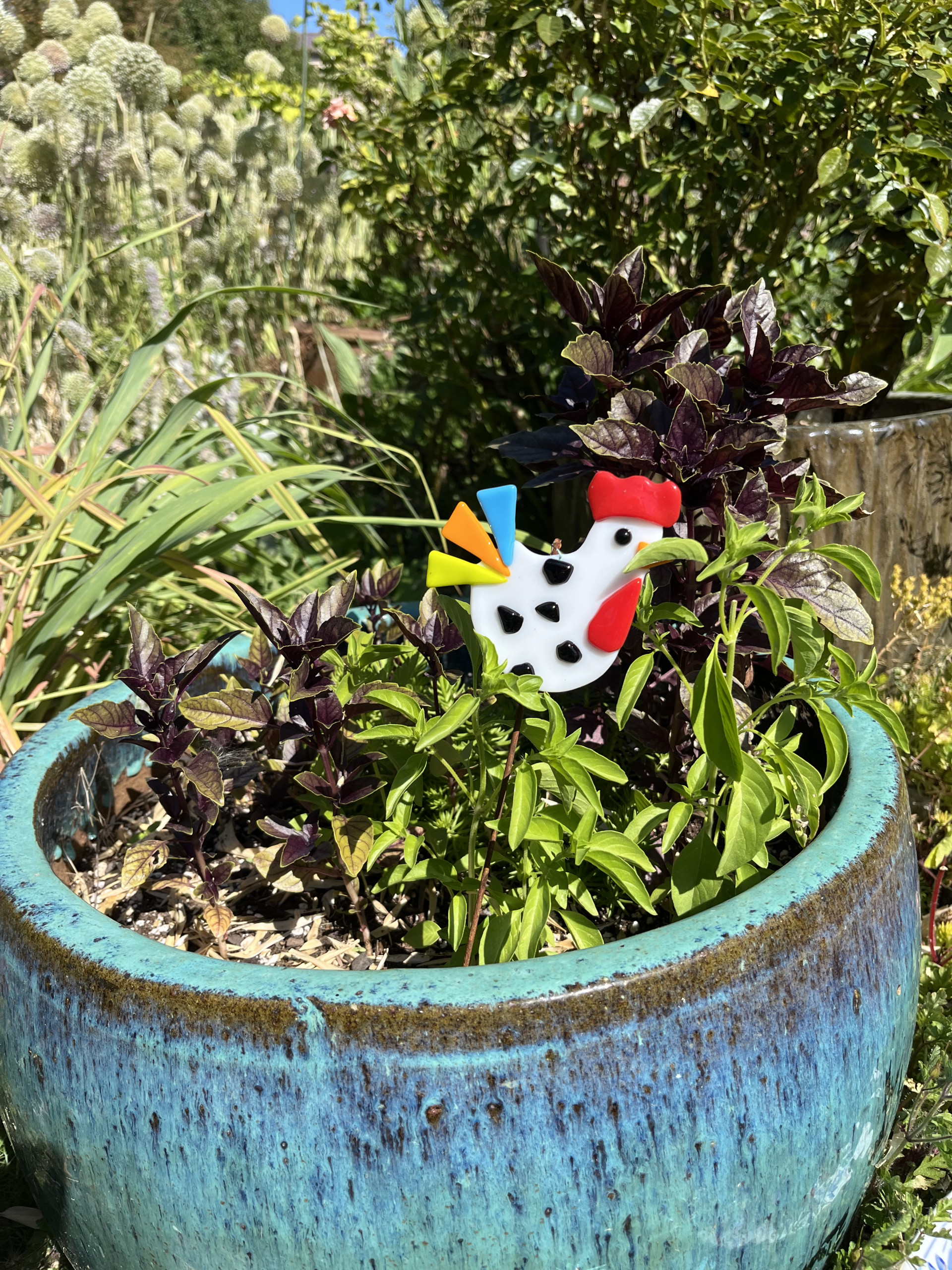
Even a little glass chicken ornament makes a statement.
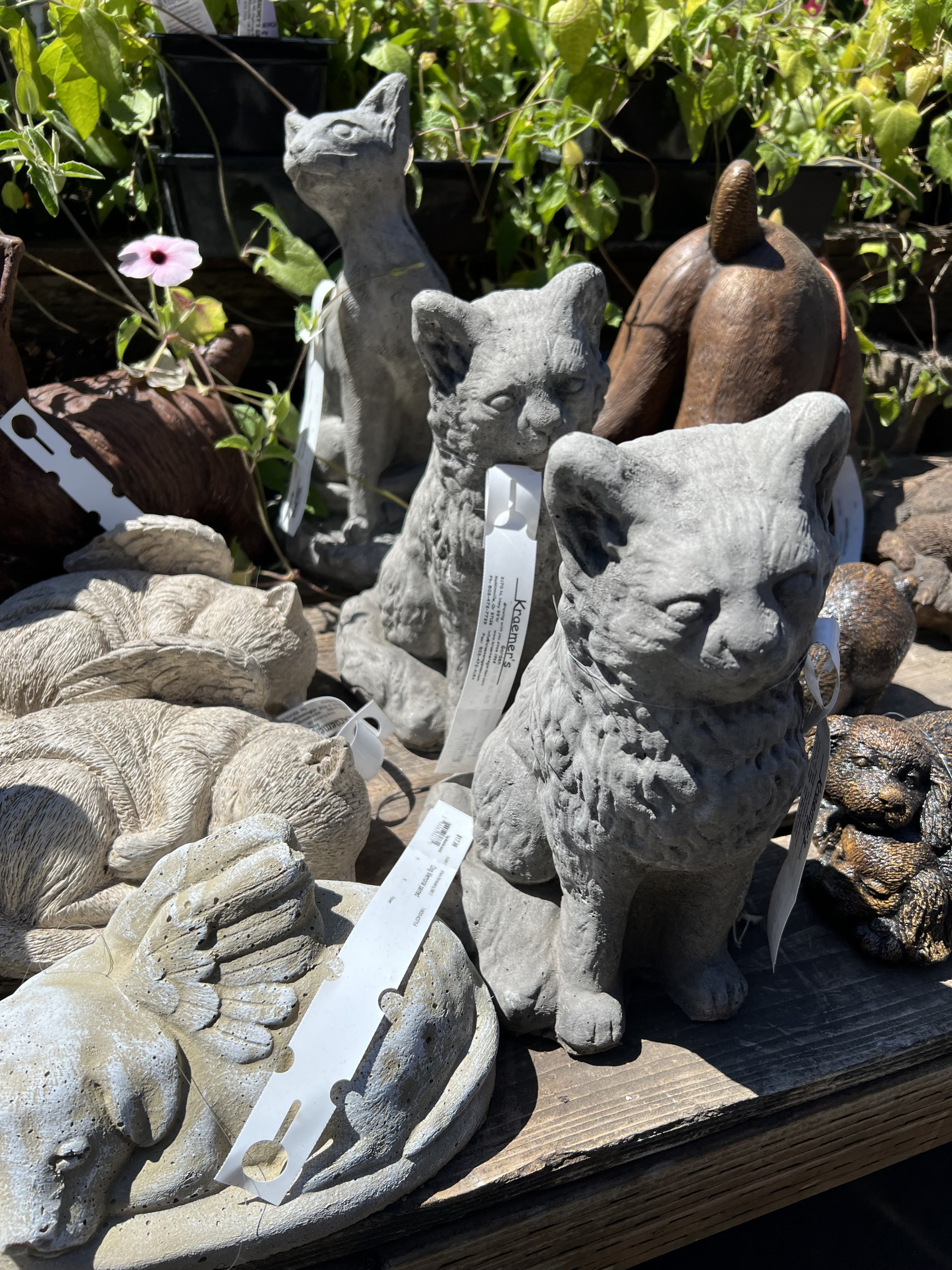
Our local nursery sells cement statues of all sorts of animals, including these cats. Maybe your nursery does too.
Maintenance Tips
Keep your balcony garden thriving with regular care:
A. Prune and Deadhead
Regularly prune your plants to remove dead or yellowing leaves, and deadhead spent flowers to encourage more blooms. If you have a spot for this, put some of the plant detritus in a bucket to use later for mulch. In some cases, you may be able to collect seeds for the following year this way.
B. Pest Control
Keep an eye out for pests like aphids, spider mites, or caterpillars. Use natural remedies like neem oil or insecticidal soap to control infestations. If you have caterpillars, try to identify them before you do anything to them – if they turn out to be the larva of some beautiful butterfly like a monarch or swallowtail, please keep them. If you can, take those caterpillars out on a walk, and put them on a milkweed plant or one similar to the plant you have on your balcony, where you found the caterpillars.
C. Rotate Plants
If your plants are struggling, try rotating them to different spots on the balcony to find the optimal light and wind conditions.
To keep food going all year long, consider doing things like harvesting your garlic in June, adding a little soil, and sowing greens in that pot. In the fall, as the greens get used up, put garlic back in there for the following year. You won’t be able to grow things like tomatoes, peppers, corn, squash, or beans all year (unless you live in a warm climate), but you can keep greens, beets, cilantro, lettuce, arugula, and carrots going for most of the time.
If your area gets very cold in winter, you may want to bring some plants inside.
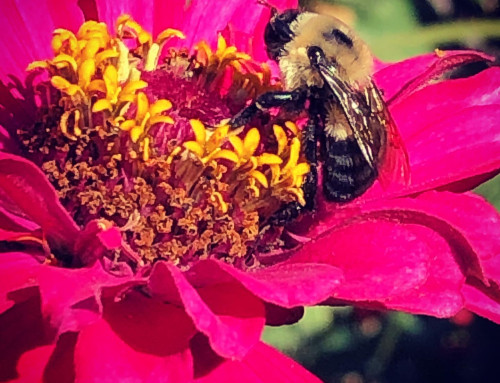
Gardening on a balcony is a rewarding way to bring nature into your urban life. With the right plants, containers, and a little creativity, you can transform even the smallest balcony into a green oasis. Whether you’re growing herbs and vegetables, feeding pollinators, or simply enjoying a space filled with flowers, balcony gardening offers a lot of possibilities. You’ll be surprised at how much food (for yourself or for the bees) you can grow in a small urban space.
Happy gardening!
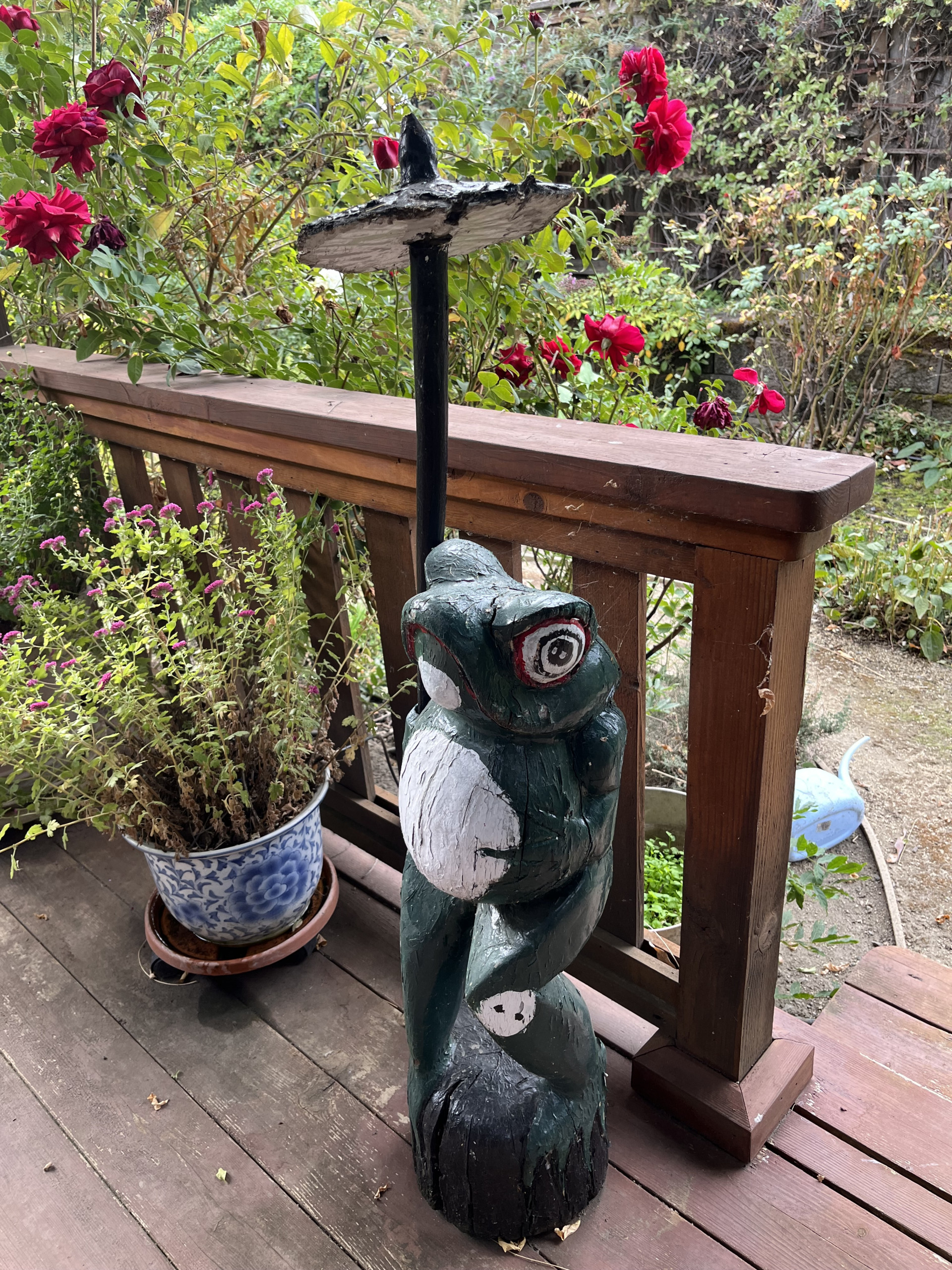
This handsome frog watches over the balcony garden.